


Blank Clothing Brand: Your Guide to Quality Basics
You've probably seen those plain tees and hoodies sitting on shelves or in online stores, completely unadorned and ready for whatever creative vision someone brings to them. That's what a blank clothing brand is all about - providing the canvas for custom designs, screen printing, embroidery, and personal expression. Whether you're launching your own streetwear line or just want to understand what makes quality basics tick, knowing how these brands operate can seriously level up your game. The blank apparel industry is massive, supplying everyone from small independent designers to major fashion houses with foundational pieces that become something extraordinary.
What Makes a Blank Clothing Brand Different
A blank clothing brand focuses on manufacturing or distributing apparel without graphics, logos, or decorative elements. These companies specialize in producing quality garments that serve as the foundation for customization projects.
The main appeal? Consistency and reliability. When you're building a clothing line like La Familia Forever, you need to know that every hoodie or tee meets the same quality standards. Blank apparel suppliers have perfected this consistency, offering predictable sizing, fabric composition, and construction across their entire inventory.
Key Categories These Brands Cover
- T-shirts in various cuts (crew neck, V-neck, long sleeve, pocket tees)
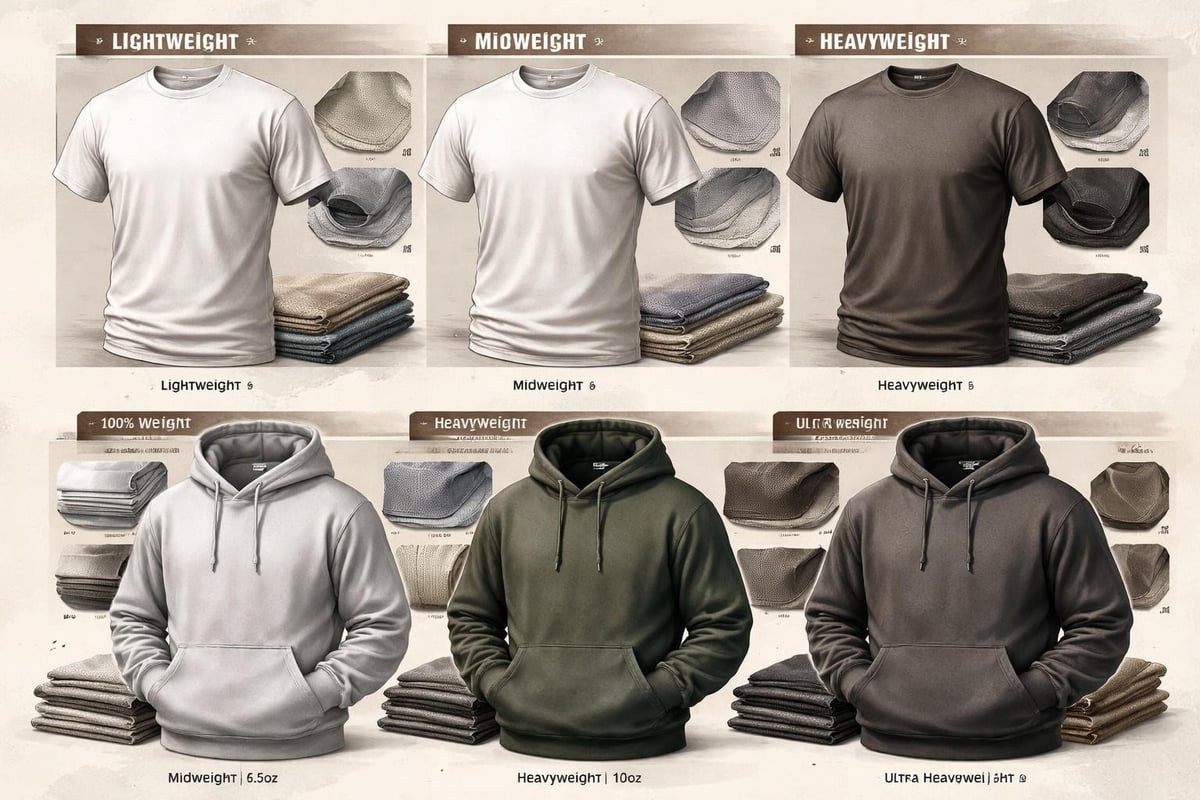
- Hoodies and sweatshirts from lightweight to heavyweight fleece
- Headwear including beanies, snapbacks, and dad hats
- Bottoms like sweatpants, joggers, and shorts
- Accessories such as bags, towels, and aprons
Most blank clothing brands structure their catalogs around fabric weight, material composition, and fit profile. You'll find ringspun cotton, polyester blends, tri-blends, and even organic or sustainable options. The variety lets creators match the base garment to their brand's aesthetic and values.
Quality Markers to Look For
Not all blank apparel is created equal. When evaluating a blank clothing brand, you're essentially investigating the bones of what will become your finished product. Here's what separates the good from the mediocre.
Fabric composition matters immensely. A 100% ringspun cotton tee feels completely different from a 50/50 cotton-poly blend. Ringspun cotton uses longer fibers that create a smoother, softer fabric with better durability. Combed cotton goes even further, removing shorter fibers for an even finer texture.
| Fabric Type | Softness | Durability | Print Quality | Price Point |
|---|---|---|---|---|
| 100% Cotton | High | Medium | Excellent | $$ |
| Cotton/Poly Blend | Medium | Very High | Good | $ |
| Tri-Blend | Very High | High | Good | $$$ |
| Heavyweight Cotton | Medium | Very High | Excellent | $$$ |
Construction Details That Count
The devil's in the details when it comes to blank garments. Check these elements:
- Stitch density - More stitches per inch means stronger seams
- Shoulder-to-shoulder taping - Prevents stretching and adds durability
- Double-needle stitching - Especially important at hems and sleeves
- Side seaming - Creates better drape than tubular construction
- Tear-away or woven labels - Easier for rebranding
Companies like those reviewed on Trustpilot for BlankApparel.com often get rated based on these specific construction qualities. Customers notice when seams split after a few washes or when collars stretch out.
The Business Model Behind Blank Apparel
Understanding how a blank clothing brand operates helps you make smarter purchasing decisions. Most companies in this space work on volume - they're manufacturing or importing massive quantities to keep per-unit costs low.
Wholesale is the name of the game. While some blank apparel companies sell individual pieces to consumers, their bread and butter comes from bulk orders. Screen printers, embroiderers, promotional product companies, and independent clothing brands place orders ranging from dozens to thousands of units.
Many blank clothing brands don't actually manufacture their own products. They're distributors partnering with factories (often overseas, but increasingly domestic) that specialize in specific garment types. The brand's role becomes quality control, inventory management, and customer service. Better Business Bureau profiles for these companies often detail their distribution networks and service capabilities.
Price Tiers and What They Mean
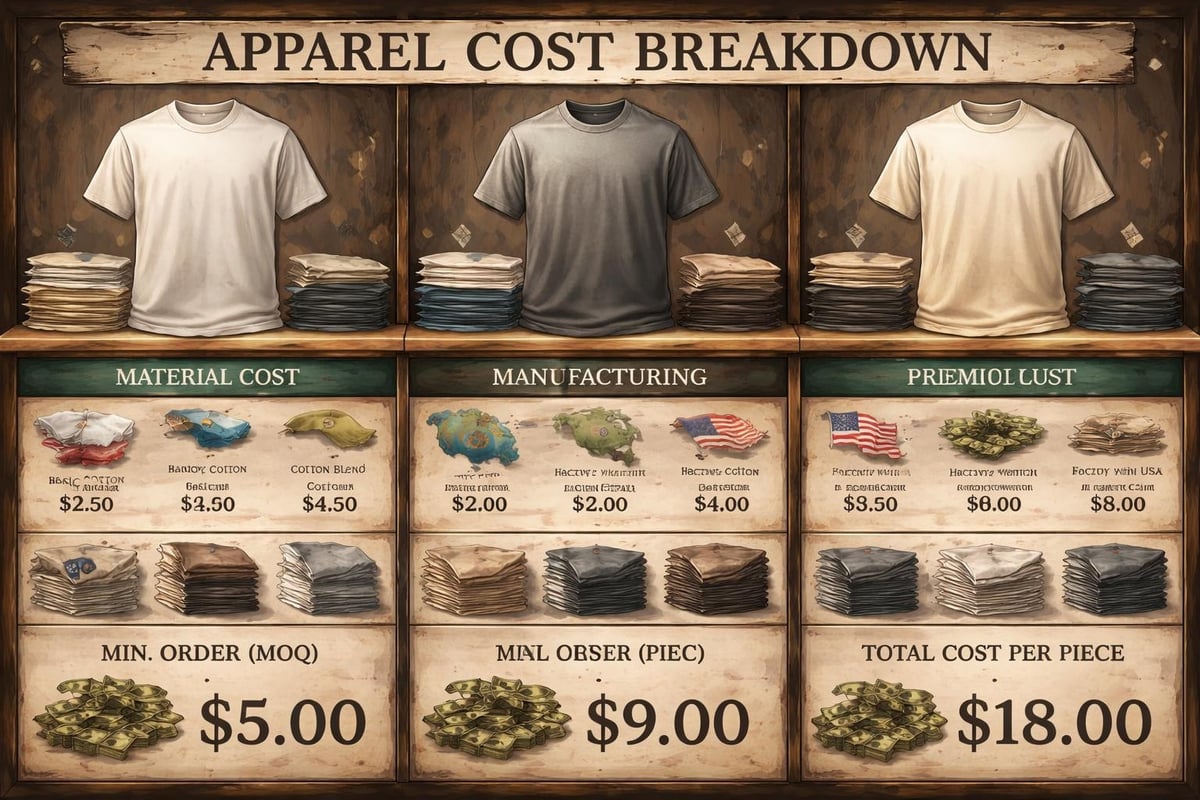
Blank apparel typically falls into three price categories:
- Budget tier ($2-5 per tee) - Basic construction, lighter fabrics, imported
- Mid-range ($5-12 per tee) - Better materials, consistent sizing, reliable quality
- Premium ($12-25+ per tee) - Superior fabrics, often domestic manufacturing, exceptional fit
The tier you choose depends on your brand positioning. If you're building a streetwear brand focused on quality and longevity, premium blanks make sense despite the higher upfront cost. Your customers will feel the difference.
Popular Blank Clothing Brands in 2026
The blank apparel market includes dozens of major players, each with their own specialties and reputations. Let's break down some key names you'll encounter.
Bella+Canvas dominates the modern, retail-focused segment with their exceptionally soft tri-blends and fashion-forward fits. They've built a reputation for making blanks that feel like finished retail products. Their tees drape well, their sizing runs true, and their color palette stays current with fashion trends.
Gildan represents the workhorse of the industry. You'll find their products everywhere because they offer solid quality at aggressive price points. While they might not win awards for the softest hand feel, their durability and availability make them a go-to for many applications.
Emerging and Niche Players
The blank clothing brand landscape keeps evolving. About:blank's contemporary approach to minimal streetwear shows how even brands focused on blanks can develop distinct identities. Similarly, BLANKNYC started with the concept of blank canvases and evolved into a full fashion brand.
For urban wear enthusiasts, brands like Next Level and American Apparel (now LA Apparel) offer fits and styles that work perfectly for street-inspired designs. These companies understand that blank doesn't mean boring - it means ready for transformation.
| Brand | Specialty | Price Range | Best For |
|---|---|---|---|
| Bella+Canvas | Soft, retail-ready fits | $$$ | Premium streetwear lines |
| Gildan | Reliable basics | $ | High-volume projects |
| Next Level | Modern cuts | $$ | Contemporary designs |
| Comfort Colors | Vintage feel | $$$ | Retro-inspired brands |
| Alternative Apparel | Eco-friendly options | $$$ | Sustainable brands |
Customization and Branding Opportunities
Here's where a blank clothing brand becomes your launching pad. The whole point of these garments is what you do with them next. Understanding your decoration options helps you make smarter blank selections.
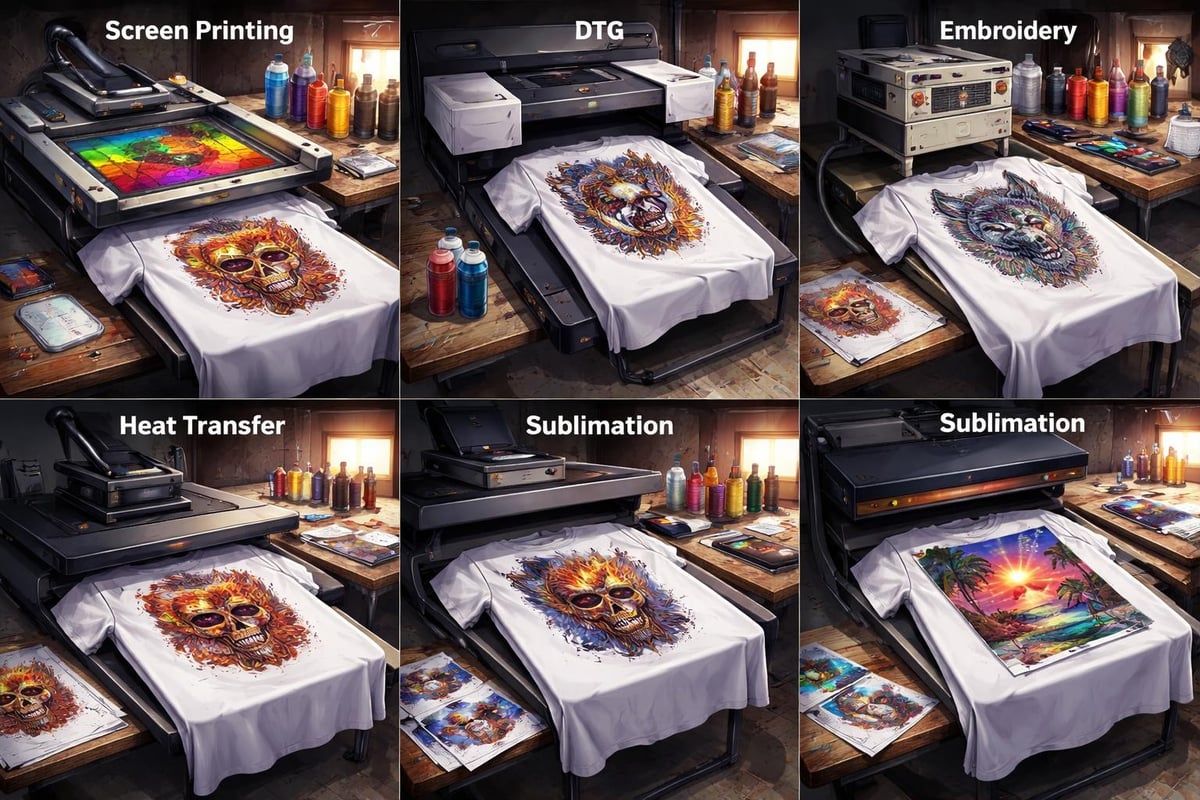
Screen printing remains the most popular customization method. It offers vibrant colors, durability, and cost-effectiveness for larger runs. When choosing blanks for screen printing, consider fabric smoothness - the tighter the weave, the sharper your print details will be.
Decoration Methods and Blank Selection
- Direct-to-Garment (DTG) - Works best on 100% cotton with smooth surfaces
- Heat transfer - Versatile but requires consideration of fabric composition
- Embroidery - Needs sturdy fabric that won't pucker under needle pressure
- Sublimation - Requires polyester or poly-blend fabrics
- Cut and sew - Premium option that transforms the blank into something entirely new
Companies offering apparel printing services often have preferences for specific blank brands based on how well they accept different decoration methods. That accumulated wisdom is worth tapping into.
When you're designing graphic tees or custom hoodies, the blank you choose becomes part of your brand identity. A premium blank elevates your design; a cheap blank can undermine even the best artwork.
Building Your Brand with Blanks
Using a blank clothing brand as your foundation doesn't mean your brand lacks originality. Every successful clothing company in the USA started somewhere, and many began by customizing quality blanks before eventually developing their own manufacturing.
Start with fit consistency. Choose one or two blank brands and stick with them across your initial collections. Your customers will notice if your medium fits differently from one style to the next. Consistency builds trust.
The blank apparel you select communicates messages about your brand before anyone sees your designs:
- Premium, heavyweight blanks signal quality and durability
- Eco-friendly options show environmental consciousness
- Fashion-forward fits indicate style awareness
- Classic cuts suggest timeless appeal
Testing Before Committing
Smart brands order samples before placing bulk orders. Wear the blanks yourself. Wash them multiple times. See how they hold up to daily wear. Hip hop apparel brands know their audience expects durability alongside style - your blanks need to deliver both.
Consider creating a testing protocol:
- Order samples in multiple sizes
- Wash and dry them 5-10 times using different methods
- Check for shrinkage, color fading, and construction integrity
- Wear them in real conditions
- Apply your decoration method to test samples
- Get feedback from potential customers
Supplier Relationships and Ordering
Your relationship with a blank clothing brand or distributor can make or break your production timeline. Building strong supplier relationships goes beyond just placing orders.
Minimum order quantities (MOQs) vary significantly. Some blank clothing brands require orders of 72+ pieces per style and color. Others, especially those serving smaller designers, offer lower minimums or even single-piece purchases at adjusted pricing.
Reliability matters enormously. Check resources like Trustpilot reviews for blank apparel suppliers to understand how companies handle backorders, quality issues, and customer service challenges. A supplier who communicates proactively about delays is worth their weight in gold.
What to Ask Potential Suppliers
- What's your average turnaround time for in-stock items?
- How do you handle size runs and inventory management?
- What's your return/exchange policy for defective items?
- Do you offer pre-production samples?
- What decoration methods do you recommend for each fabric type?
- Can you provide product specification sheets?
Payment terms also vary. Some blank clothing brands require payment upfront, while others offer net-30 or net-60 terms for established customers. Understanding these financial arrangements helps you manage cash flow as you scale.
Sustainability in Blank Apparel
The blank clothing brand industry is experiencing a major shift toward sustainable practices. In 2026, eco-conscious consumers increasingly demand transparency about where and how their clothing is made.
Organic cotton represents the most common sustainable option in blank apparel. It's grown without synthetic pesticides or fertilizers, reducing environmental impact. While it costs more than conventional cotton, the premium aligns with values-driven brands.
Other sustainable developments include:
- Recycled polyester from post-consumer plastic bottles
- Hemp blends offering durability with lower water usage
- Bamboo fabrics (though processing methods vary in sustainability)
- Low-impact dyes reducing chemical runoff
- Carbon-neutral shipping options
Brands like those featured in reviews on Trustpilot for Australian blank clothing suppliers often highlight their sustainability credentials. These certifications and practices increasingly influence purchasing decisions.
Regional Manufacturing Considerations
Where your blank clothing brand manufactures matters for quality, ethics, cost, and logistics. The industry spans global supply chains, each with distinct characteristics.
Domestic manufacturing (USA, Canada, Europe) offers:
- Higher labor standards and working conditions
- Faster turnaround and easier communication
- Lower shipping costs and carbon footprint for local markets
- "Made in USA" marketing appeal
- Higher per-unit costs
Companies focusing on Los Angeles apparel manufacturing exemplify the domestic production movement, emphasizing quality control and ethical manufacturing.
International manufacturing (Bangladesh, China, Vietnam, Central America) provides:
- Lower production costs enabling competitive pricing
- Massive production capacity for scaling
- Established expertise in specific garment types
- Longer lead times and more complex logistics
- Variable labor and environmental standards
Many blank clothing brands use hybrid models, manufacturing basics overseas while producing specialty items domestically. Understanding these supply chains helps you make informed decisions aligned with your brand values.
Quality Control and Consistency Issues
Even the best blank clothing brand occasionally ships products with defects or consistency problems. Knowing what to watch for protects your brand reputation.
Common quality issues include:
- Size variation between different production runs
- Color inconsistency across dye lots
- Loose or skipped stitching
- Fabric flaws like slubs, holes, or discoloration
- Misaligned seams or panels
- Shrinkage beyond stated specifications
Implementing your own quality control process is essential. Inspect samples from each shipment before sending them to decoration. A single defective blank that makes it through to a finished product costs far more than the garment itself when you factor in decoration costs and customer disappointment.
Some blank clothing brands offer "first quality" and "irregular" tiers. First quality commands premium pricing but guarantees specification compliance. Irregulars sell at discounts but may have minor flaws - acceptable for some applications, risky for others.
Inventory Management Strategies
Managing blank inventory requires balancing availability against capital investment. Too little inventory means missed opportunities and production delays. Too much ties up cash and risks obsolescence as styles change.
Core inventory approach: Stock basics that move consistently - white, black, gray tees and hoodies in popular sizes. Keep deeper inventory in these SKUs.
Pre-order model: Take customer orders before purchasing blanks, minimizing inventory risk while extending production timelines.
Just-in-time ordering: Maintain relationships with blank clothing brands offering quick turnaround, allowing you to order as needed.
For streetwear collections that drop seasonally, planning inventory around release schedules prevents both stockouts and overstock situations. Understanding your sales velocity by size helps optimize inventory distribution.
| Size | Typical Distribution | Stock Strategy |
|---|---|---|
| XS | 5-8% | Order conservatively |
| S | 15-20% | Solid backup stock |
| M | 25-30% | Deepest inventory |
| L | 25-30% | Deepest inventory |
| XL | 15-20% | Solid backup stock |
| 2XL+ | 5-10% | Order based on data |
The Future of Blank Apparel
The blank clothing brand industry continues evolving with fashion trends and consumer expectations. Several developments are reshaping the landscape in 2026.
On-demand manufacturing is gaining traction. Advanced DTG technology and automated cutting allow for profitable single-unit production, reducing inventory needs for both blank suppliers and brands using them.
Smart fabrics are entering the blank market. Moisture-wicking, odor-resistant, and temperature-regulating textiles that were once specialty items are becoming standard options from major blank clothing brands.
Customization platforms are blurring lines between blank suppliers and finished goods. Some companies now offer built-in design tools and fulfillment services, functioning as both blank supplier and production partner.
Transparency is becoming non-negotiable. Customers want to know everything about their clothing - where it's made, who made it, what it's made from, and what happens to it after disposal. Blank clothing brands providing detailed supply chain information are winning market share.
Understanding the blank clothing brand landscape empowers you to make strategic decisions about quality, cost, and brand positioning. Whether you're sourcing basics for custom designs or evaluating the foundation of your streetwear line, the blanks you choose directly impact your final product's quality and your brand's reputation. At La Familia Forever, we've built our collections on a foundation of quality and attention to detail that starts with selecting the right materials and construction - because exceptional streetwear begins with exceptional basics. Explore our collections to see how premium foundations translate into distinctive pieces that represent your unique style and the spirit of the street.