


Los Angeles Apparel: The Streetwear Revolution in 2026
If you're into streetwear, you've probably noticed a shift happening in the fashion world. While fast fashion continues to dominate headlines for all the wrong reasons, there's a growing movement toward locally made, ethically produced clothing that doesn't compromise on style or quality. At the heart of this transformation sits los angeles apparel, a manufacturing approach that's redefining what it means to create authentic streetwear in 2026. For brands like La Familia Forever and others pushing the boundaries of street fashion, understanding the LA apparel scene isn't just interesting-it's essential to delivering the quality your customers deserve.
Why Los Angeles Became America's Apparel Powerhouse
Los Angeles didn't accidentally become the garment manufacturing capital of the United States. The city's rise as the nation's second-largest apparel industry hub happened through a perfect combination of geography, infrastructure, and skilled labor that's been decades in the making.
What makes LA's apparel scene unique:
- Access to major shipping ports for international materials
- Concentration of skilled garment workers with generations of experience
- Quick turnaround times for sample production and small batch runs
- Proximity to trend-setting culture and fashion influencers
- Established network of fabric suppliers and trim vendors
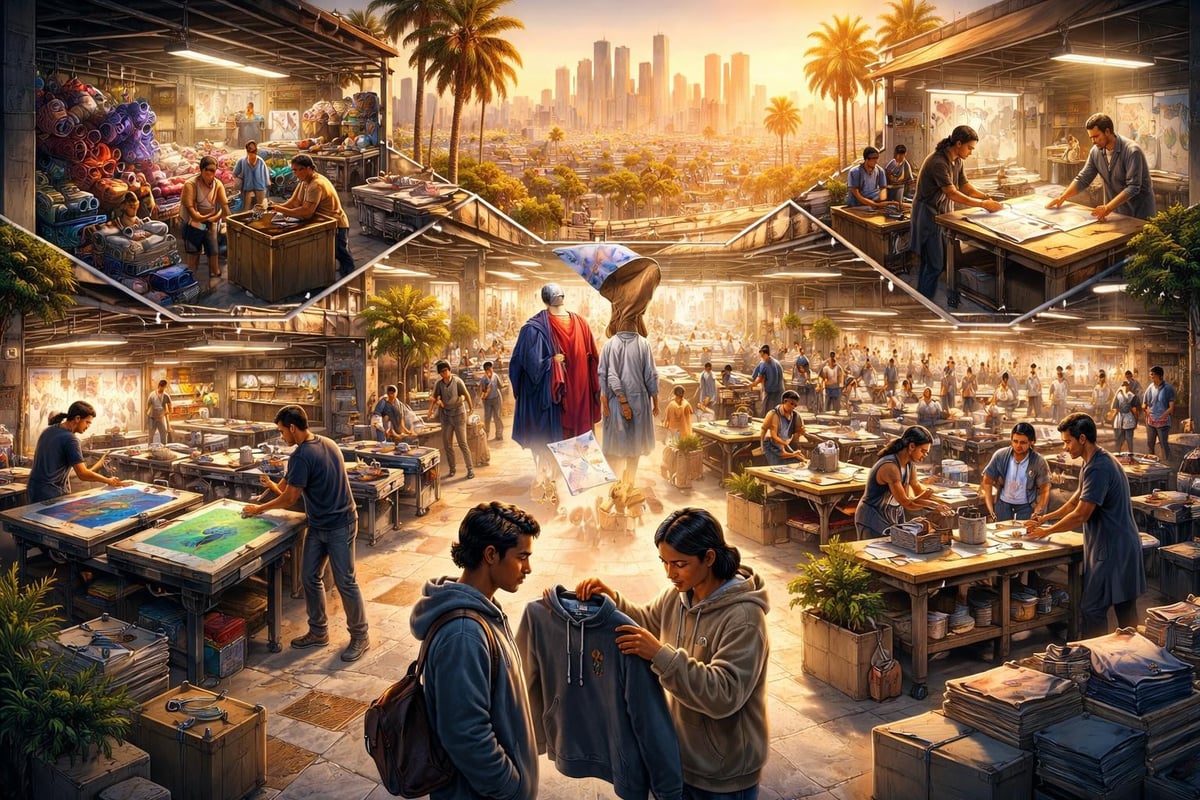
The infrastructure supporting los angeles apparel goes way beyond just factories. You've got fabric districts where you can touch and feel materials before committing to thousands of yards, pattern makers who understand the difference between a standard fit and a true streetwear silhouette, and screen printers who can execute complex designs without losing detail.
The Supply Chain Advantage
When you're working with LA-based manufacturing, you're not waiting months for overseas shipments or dealing with massive minimum order quantities that tie up your capital. For streetwear brands focused on limited drops and seasonal collections, this flexibility is everything.
The apparel manufacturing ecosystem in Los Angeles creates opportunities that simply don't exist elsewhere. You can literally walk from your manufacturer to your fabric supplier in the same neighborhood, touch base with your screen printer during lunch, and have samples ready for review by the end of the week.
The Ethics Behind Los Angeles Apparel Production
Here's where things get real. The garment industry has a seriously complicated history, and LA's no exception. Research from UCLA's Labor Center has documented significant labor violations and sweatshop conditions that persisted in the industry for years.
But that's exactly why the modern los angeles apparel movement matters so much. Companies are actively working to flip that script, proving you can produce high-quality garments while paying fair wages and maintaining safe working conditions.
| Traditional Offshore | Los Angeles Apparel Model |
|---|---|
| Months-long lead times | Days to weeks turnaround |
| Opaque labor practices | Transparent local facilities |
| High minimums (1000+ units) | Flexible batch sizes |
| Unknown worker conditions | Fair wages, safe environments |
| Environmental shipping costs | Reduced carbon footprint |
What Ethical Manufacturing Actually Means
When brands talk about ethical los angeles apparel production, they're referring to specific, measurable practices. Los Angeles Apparel's commitment to fair wages and local manufacturing sets a standard that's becoming increasingly important to conscious consumers in 2026.
Key ethical manufacturing principles:
- Workers paid above minimum wage with benefits
- Safe, clean working environments with proper ventilation and equipment
- No forced overtime or exploitative scheduling practices
- Compliance with California labor laws and regular inspections
- Sustainable practices that minimize waste and environmental impact
For streetwear enthusiasts who care about quality clothing, these factors directly impact what you're wearing. Workers who are treated well, given proper training, and paid fairly produce better garments. It's that simple.
How LA Manufacturing Elevates Streetwear Quality
You know that feeling when you put on a heavyweight hoodie and it just feels right? The fabric has substance, the stitching is clean, and everything sits exactly how it should. That's what separates los angeles apparel from cheaper alternatives.
The attention to detail available through LA manufacturing transforms basic pieces into wardrobe staples. When manufacturers are local, designers can pop in during production runs, catch issues before they become problems, and make adjustments on the fly.
Material Selection and Fabric Quality
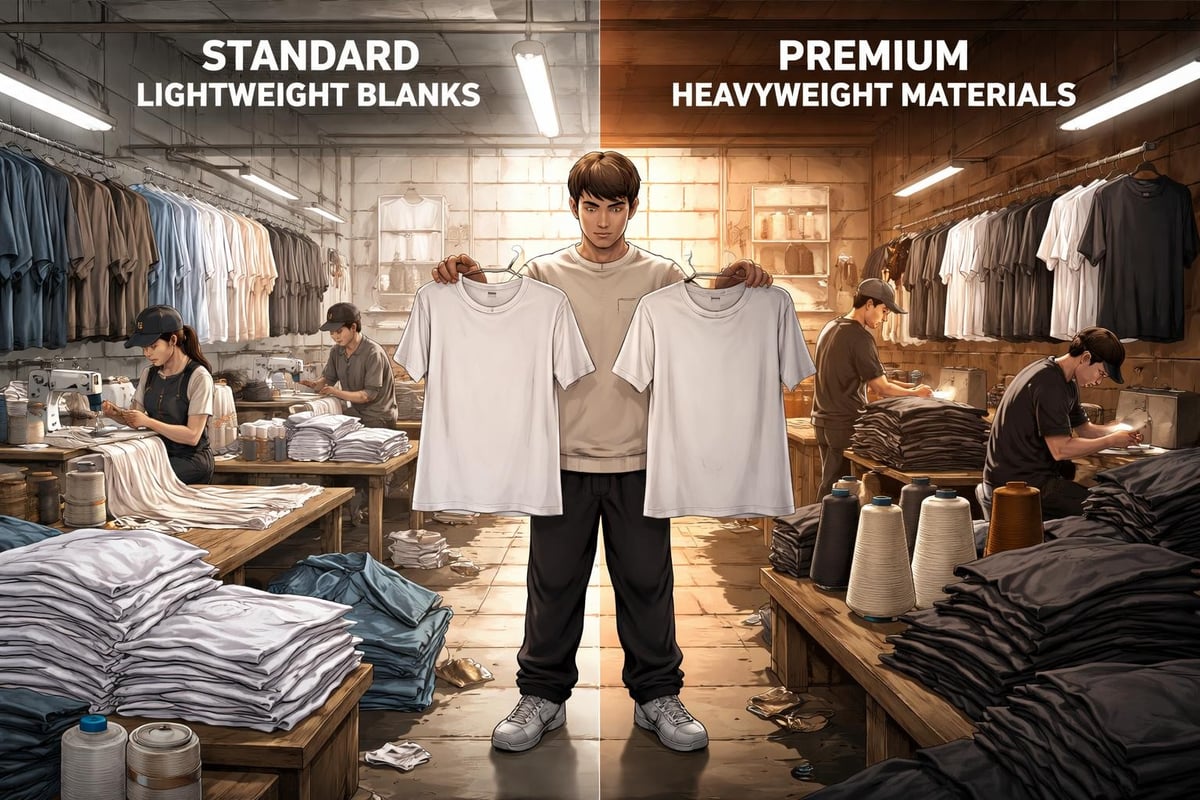
LA's fabric district gives designers access to materials you won't find in standard catalogs. We're talking about heavyweight cotton that gets softer with every wash, French terry with the perfect loop density, and fleece that maintains its structure season after season.
Popular fabric choices for streetwear:
- Heavyweight jersey (6.5-7 oz) for premium tees
- French terry for comfortable, breathable hoodies
- Brushed fleece for cold-weather sweatpants
- Waffle knit for textured beanies and accessories
- Canvas and twill for durable outerwear pieces
The streetwear t-shirts brands that stand out in 2026 aren't using thin, transparent blanks. They're investing in substantial fabrics that hold screen prints beautifully and maintain their shape through countless wears and washes.
The Current State of LA Apparel in 2026
The landscape has shifted dramatically over the past few years. With global supply chains continuing to face disruptions and consumers demanding more transparency, Los Angeles-based manufacturers are thriving despite economic pressures that have challenged overseas production.
Trade policies favoring domestic manufacturing have created new opportunities for los angeles apparel producers. Tariffs on imported goods mean that the cost difference between offshore and local production has narrowed significantly, making the quality and speed advantages of LA manufacturing even more attractive.
Industry Growth and Innovation
The cut and sew segment of LA's garment industry continues to evolve, incorporating new technologies while maintaining the craftsmanship that built the industry's reputation.
Modern LA factories are blending traditional skills with digital pattern making, automated cutting systems that reduce waste, and inventory management software that keeps production running smoothly. But the core advantage remains the same: skilled workers who understand garment construction at a level that can't be automated.
Building Your Streetwear Brand with LA Manufacturing
If you're thinking about starting your own line or you're curious about how established clothing companies in the USA operate, understanding the los angeles apparel production process is crucial.
Steps to working with LA manufacturers:
- Research and vet potential partners through facility visits and reference checks
- Start with tech packs that clearly communicate your design specifications
- Order sample runs to test fit, feel, and construction quality
- Build relationships with your production team for long-term success
- Plan production timelines that account for realistic manufacturing schedules
The beauty of LA production is the ability to start small. You don't need to commit to 10,000 units of a single design. Many manufacturers work with emerging brands on runs of 100-500 pieces, letting you test the market before scaling up.
Quality Control and Consistency
When your manufacturing happens locally, quality control becomes manageable. You can actually show up at the factory, inspect production runs in person, and address issues before thousands of flawed pieces get shipped.
This hands-on approach is exactly how brands maintain consistency across drops. Your heavyweight hoodies should feel identical whether someone buys them in February or November. Los angeles apparel manufacturing makes that consistency achievable through direct oversight and relationship building with your production partners.
Connecting LA Manufacturing to Streetwear Culture
Here's something people don't talk about enough: proximity matters for cultural relevance. When your manufacturing happens in the same city where streetwear trends are born, your production team understands what you're trying to achieve.
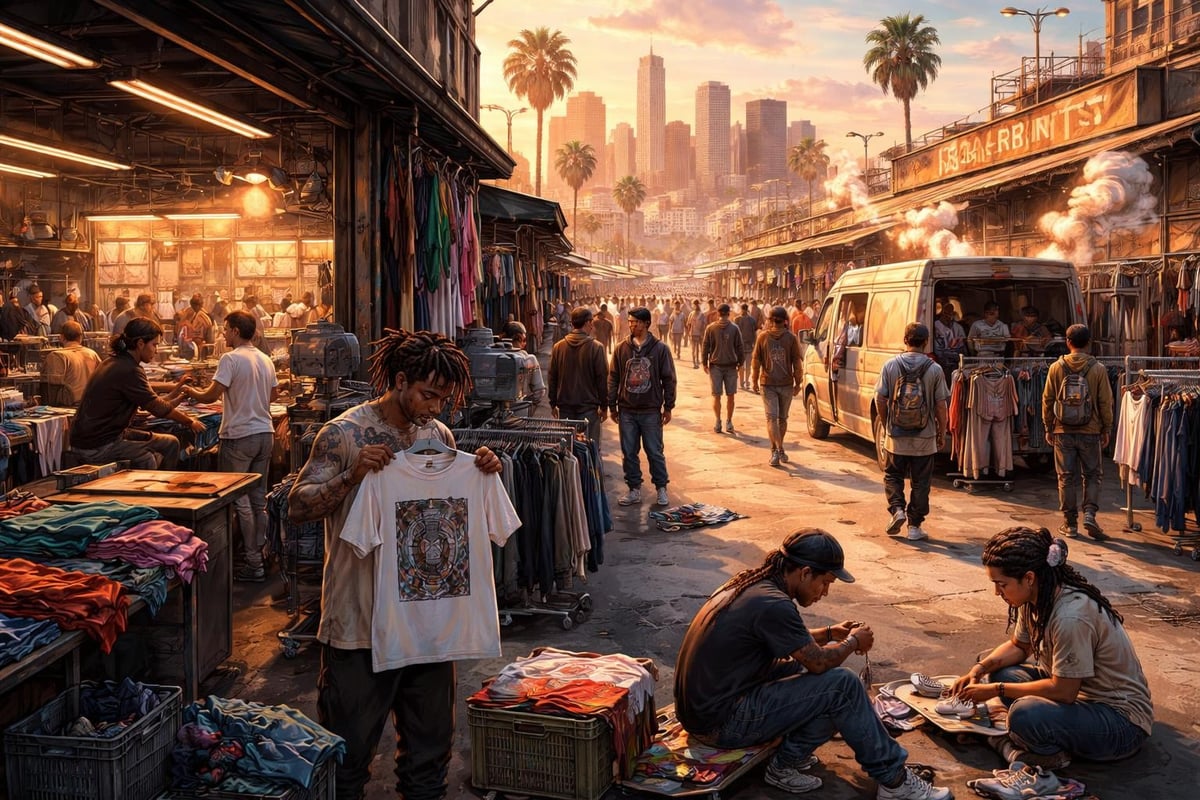
LA's position as both a manufacturing hub and a cultural epicenter creates a unique feedback loop. Designers walk the same streets as their manufacturers, see the same influences, and respond to the same cultural moments. This connection shows up in the final products.
The LA Strong initiative demonstrated how quickly local apparel companies can respond to community needs, creating custom pieces that reflected the moment while supporting recovery efforts. That kind of agility and cultural awareness isn't possible when your production happens halfway around the world.
The Hip-Hop Connection
LA's manufacturing scene has deep roots in hip-hop apparel brands that defined an era. The same factories that produced iconic pieces in the '90s and early 2000s are still operating, now working with a new generation of designers carrying that legacy forward.
This continuity matters. The knowledge of how to construct an oversized hoodie that drapes properly, or how to screen print a graphic that won't crack after a dozen washes, gets passed down through the workforce. You can't replicate that institutional knowledge overnight.
Sustainability and the Future of Los Angeles Apparel
In 2026, sustainability isn't a buzzword anymore-it's a baseline expectation. The los angeles apparel industry has responded by implementing practices that reduce waste, minimize environmental impact, and create clothing designed to last.
Sustainable practices in LA manufacturing:
- Cut-and-sew operations that optimize fabric usage to minimize waste
- Water-based inks and eco-friendly dyes in printing processes
- Energy-efficient facilities with updated equipment and lighting
- Recycling programs for fabric scraps and production waste
- Emphasis on durable construction that extends garment lifespan
The shift toward sustainability aligns perfectly with streetwear's evolution. Today's consumers aren't interested in disposable fashion. They want pieces they'll wear for years, that tell a story, and that reflect their values.
Longevity Over Trends
The best los angeles apparel manufacturers understand that creating quality basics never goes out of style. Sure, graphics and colorways change with the seasons, but the foundation-a perfectly constructed tee, a substantial hoodie, well-fitted sweatpants-remains constant.
When you invest in quality graphic tees or premium sweatpants, you're buying something that improves with age rather than falling apart. That's the promise of LA manufacturing: garments built to be worn hard and loved longer.
Navigating the LA Apparel Trade Show Scene
If you're serious about connecting with los angeles apparel manufacturers, the Apparel Sourcing Los Angeles trade fair provides direct access to producers, suppliers, and industry professionals who can help bring your vision to life.
These events showcase the full spectrum of what LA manufacturing offers, from basic blanks to fully custom production capabilities. You'll meet fabric suppliers, trim vendors, screen printers, embroiderers, and cut-and-sew operations all under one roof.
What to look for at trade shows:
| Factor | What to Ask | Why It Matters |
|---|---|---|
| Minimum orders | "What's your MOQ for new clients?" | Determines if they fit your budget |
| Turnaround time | "From approval to delivery, how long?" | Affects your launch timeline |
| Specialties | "What garment types do you excel at?" | Ensures expertise matches your needs |
| Certifications | "What labor/environmental standards do you meet?" | Verifies ethical practices |
| Sample costs | "What do you charge for initial samples?" | Helps budget development phase |
Building relationships at these events can transform your business. The manufacturers who take on new clients often do so based on personal connections made at industry gatherings where they can assess your seriousness and vision firsthand.
Real Talk About Cost Considerations
Let's address the elephant in the room: los angeles apparel manufacturing costs more than offshore production. There's no getting around that fact. But the conversation can't stop at the initial price tag.
When you factor in shipping costs, customs fees, the cost of holding inventory for months, potential quality issues requiring expensive fixes, and the risk of trend misses due to long lead times, the math shifts considerably.
True cost comparison factors:
- Initial per-unit cost (yes, LA is higher)
- Shipping and logistics expenses
- Minimum order requirements and cash flow impact
- Quality control and returns/replacements
- Speed to market and trend relevance
- Brand story and marketing value
For streetwear brands, the ability to respond quickly to trends, drop limited quantities, and tell an authentic story about local manufacturing often justifies the price difference. Your customers aren't just buying a hoodie-they're buying into your brand values.
Making the Right Manufacturing Choice for Your Brand
Not every brand needs to manufacture in LA. If you're producing basic accessories or working with extremely tight margins, offshore production might make more sense. But for streetwear brands focused on quality, cultural authenticity, and ethical production, los angeles apparel manufacturing offers advantages that numbers alone can't capture.
Think about your brand identity. If you're positioning yourself as a premium streetwear brand that values quality and attention to detail, your manufacturing choices need to align with that message. Customers today do their research. They want to know where their clothes come from and how they're made.
The transparency possible with LA manufacturing becomes part of your story. You can share photos from the factory floor, introduce the people making your garments, and speak confidently about working conditions because you've seen them yourself.
Building Long-Term Partnerships
The most successful streetwear brands treat their manufacturers as partners, not just vendors. When you find a good LA-based production facility, invest in that relationship. Communicate clearly, pay on time, and show respect for their expertise.
These partnerships enable growth. As your brand scales, your manufacturer grows with you, understanding your standards and anticipating your needs. That institutional knowledge about your specific requirements, fit preferences, and quality expectations becomes invaluable over time.
The los angeles apparel manufacturing scene represents more than just a production method-it's a commitment to quality, ethics, and the kind of authentic streetwear that actually means something. From heavyweight fabrics to fair labor practices, LA manufacturing delivers garments built to last and stories worth telling. If you're ready to experience streetwear that reflects these values, explore what La Familia Forever has created with the same attention to detail and commitment to quality that defines the best of LA's apparel industry.