


Vintage Apparel Guide: Your Essential Handbook for 2025
Step into 2025 and discover why vintage apparel is more than just a passing trend. It’s a way to express your unique style and make sustainable choices every day.
This handbook is your go-to guide for navigating the world of vintage apparel, whether you’re a longtime collector or just starting your journey.
You’ll learn how to spot authentic finds, style them for a fresh look, and care for your treasures so they last. Ready to transform your wardrobe and make a positive impact? Dive in and let’s explore vintage fashion together.
Understanding Vintage Apparel: Definitions, Eras, and Value
Vintage apparel is more than just old clothes in your closet. It's a snapshot of history, a way to express yourself, and a movement that’s gaining serious momentum in 2025. But what exactly qualifies as vintage, and why does it matter to so many people right now?
What Qualifies as Vintage in 2025?
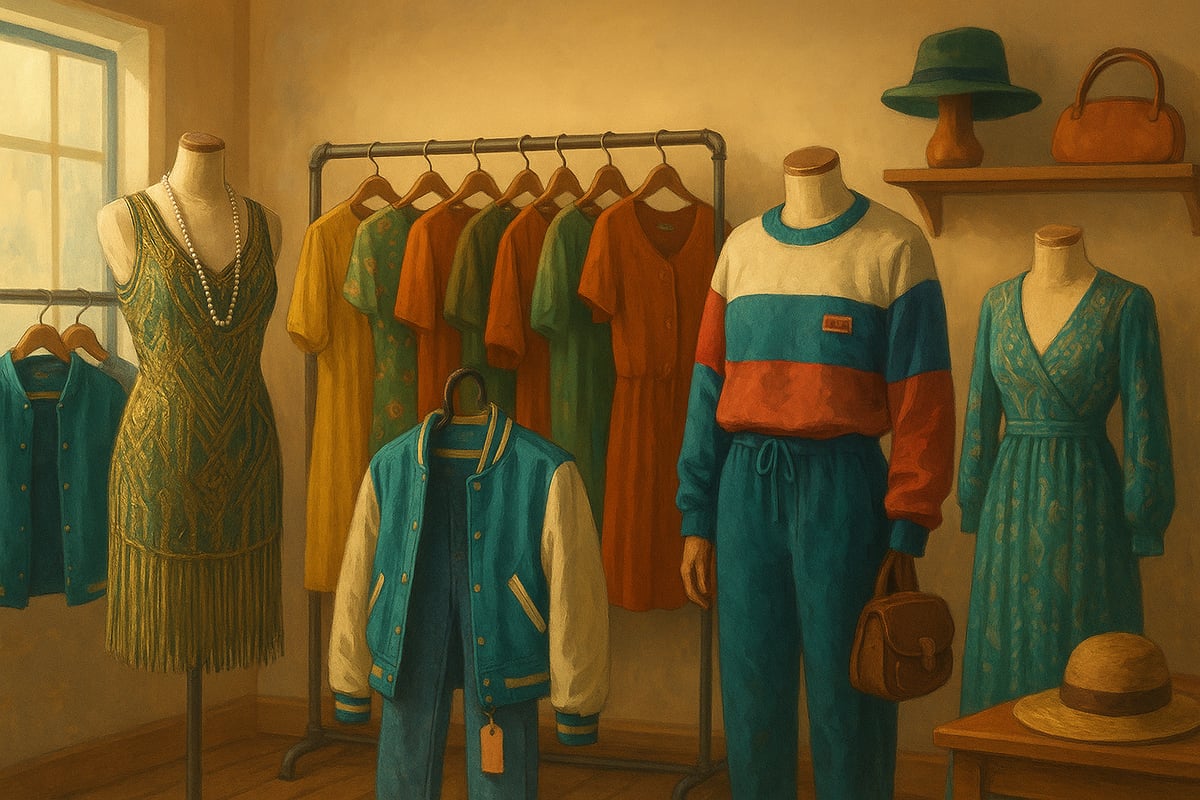
When we talk about vintage apparel in 2025, we're not just talking about anything that's old. The term usually means clothing that’s between 20 and 100 years old. So, that 2004 band tee or 1980s windbreaker? Both can be considered vintage.
Let’s break down the differences:
| Term | Age Range | Example | What Makes It Special |
|---|---|---|---|
| Vintage | 20–100 years | 90s Tommy Hilfiger jacket | Authentic, period-specific styles |
| Retro | New, old style | Modern 70s look dress | Inspired by past, but newly made |
| Antique | 100+ years | 1910s Edwardian blouse | Rare, often delicate |
| Thrift | Any age | Last year’s jeans | Secondhand, not always vintage |
Each era of vintage apparel has its own signature vibe. The 1920s brought flapper dresses and beaded details. The 1970s were all about boho prints and flared jeans, while the 1980s hyped up power suits and bold band tees. Right now, the 90s and Y2K styles are especially hot, with chunky sneakers, cargo pants, and logo-heavy pieces flying off racks. There’s also a growing love for 70s denim and 80s statement jackets.
Collectors and fashion lovers look for specific value factors in vintage apparel:
- Rarity: Limited releases or discontinued brands get snatched up fast.
- Designer labels: Pieces from big names like Levi’s or Nike often hold value.
- Condition: The better the shape, the higher the price.
- Provenance: Knowing the story behind a piece can boost its appeal.
- Cultural significance: Items tied to music, film, or key moments are extra special.
For example, a 90s Tommy Hilfiger jacket, 70s Levi’s jeans, or an original 80s band tee are all highly sought after. According to a 2023 ThredUp report, vintage apparel sales jumped 24% year-over-year, with Gen Z leading the charge for these unique finds.
The Cultural and Economic Appeal of Vintage
Why is vintage apparel so popular right now? Nostalgia plays a big part. Wearing something from another era lets you channel your favorite icons or relive a moment in pop culture. It’s also about self-expression. No one else at the party will have that exact 70s fringe jacket or that rare 90s windbreaker.
There’s another reason vintage apparel stands out: sustainability. Choosing vintage means giving clothes a second life and reducing waste. It’s a stylish way to fight fast fashion and make a statement about caring for the planet.
Vintage apparel is also becoming an investment. Rare sneakers from the 90s, like original Nike releases, have seen up to a 30% rise in resale value since 2021. This makes collecting not just fun, but sometimes pretty lucrative.
Celebrities and influencers are fueling the hype, too. When someone like Zendaya rocks a vintage look on the red carpet, or Bella Hadid posts a Y2K outfit on Instagram, demand for similar pieces goes through the roof.
The numbers back up the buzz: the global secondhand apparel market is projected to reach $77 billion by 2025, showing just how mainstream vintage apparel has become.
Whether you’re drawn to vintage apparel for its history, its eco-friendliness, or its investment potential, one thing’s clear: it’s way more than just a passing trend.
Where and How to Source Authentic Vintage Apparel
If you’re ready to hunt for vintage apparel, you’re about to embark on a treasure hunt that’s as much about the journey as the gems you’ll find. Whether you’re looking for a 90s windbreaker or a 70s pair of flared jeans, knowing where to look and how to spot the real deal can make all the difference. Let’s break down the best spots, smart strategies, and the digital communities that make vintage shopping in 2025 so exciting.
Top Places to Find Vintage Apparel
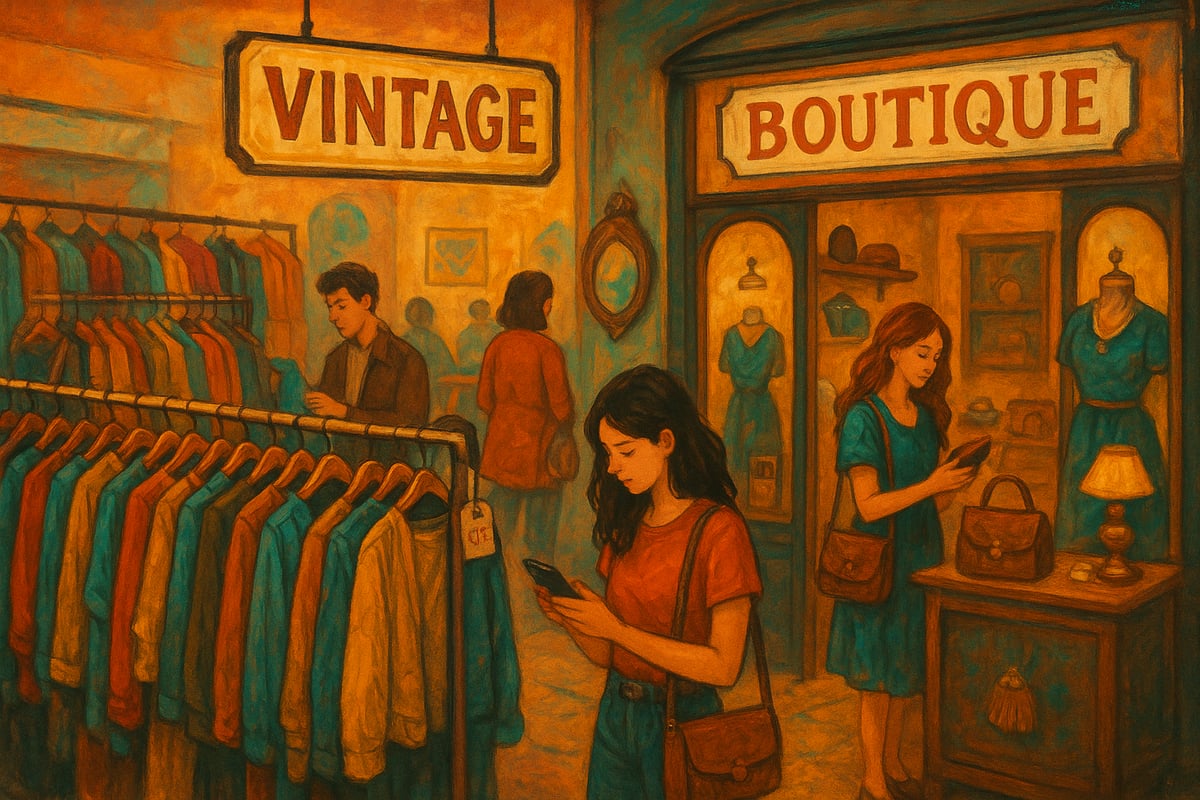
Finding authentic vintage apparel is a mix of adventure and strategy. Local vintage boutiques are often curated by passionate owners who know their stuff, so you’ll get quality and authenticity. Flea markets and pop-up events bring together a wild mix of vendors, making them perfect for spontaneous finds.
Don’t forget thrift stores, which offer a more unpredictable (but often more affordable) experience. Here’s a quick comparison:
| Store Type | Pros | Cons |
|---|---|---|
| Thrift Store | Budget-friendly, variety | Less curated, more digging |
| Vintage Store | Curated, authentic pieces | Higher prices, less turnover |
Online platforms have totally changed the vintage apparel game. Sites like Depop, Etsy, eBay, Grailed, and The RealReal let you shop from anywhere, anytime. Each has its own vibe—Depop is great for streetwear and Y2K, while The RealReal focuses on luxury labels.
Estate sales and auctions can be goldmines, especially for rare or high-end vintage apparel. If you’re up for the hunt, these spots can reveal hidden gems with real provenance.
Sourcing Strategies and Red Flags
When you’re on the lookout for vintage apparel, it pays to know what to check for. Authenticity starts with the details: look for original fabric tags, sturdy construction, metal zippers, and unique stitching patterns. These little clues help you tell true vintage from modern reproductions.
Be wary of items that seem too perfect or have tags that look brand new—these could be fakes. Always ask sellers about the provenance and condition of each piece. If you’re shopping online, request measurements and detailed photos. Vintage sizing is often different from modern, so don’t just trust the number on the label.
Building relationships with reputable sellers can give you early access to the best vintage apparel. For example, spotting a real 80s Adidas tracksuit means checking for period-accurate logos and materials, not just the style. If you’re ever unsure, compare similar items online or seek advice from the community.
The Rise of Digital Vintage Communities
Vintage apparel shopping has gone digital in a huge way. Social media groups and online forums are packed with tips, real-life reviews, and passionate collectors. Instagram is a hotspot, with over 1.5 million #vintagefashion posts every month in 2024. Searching hashtags like #vintageapparel or following notable curators can help you discover new styles and rare finds.
These communities are more than just marketplaces. They’re spaces to share stories, ask for authentication help, and even join live sales or auctions. The growth of online vintage shopping reflects a wider trend—consumers are embracing sustainable fashion, and the sustainable fashion market is projected to reach $24.53 billion by 2032. This means even more opportunities to connect, learn, and find vintage apparel that fits your unique style.
Authenticating and Evaluating Vintage Apparel
Let’s be real, nothing feels quite like scoring an authentic piece of vintage apparel. But with so many lookalikes floating around, how can you really be sure what you’ve found is the real deal? Authenticating vintage apparel takes a good eye, a bit of research, and some hands-on know-how. Here’s how you can confidently evaluate your next retro find and avoid any not-so-vintage surprises.
Step-by-Step Authentication Process
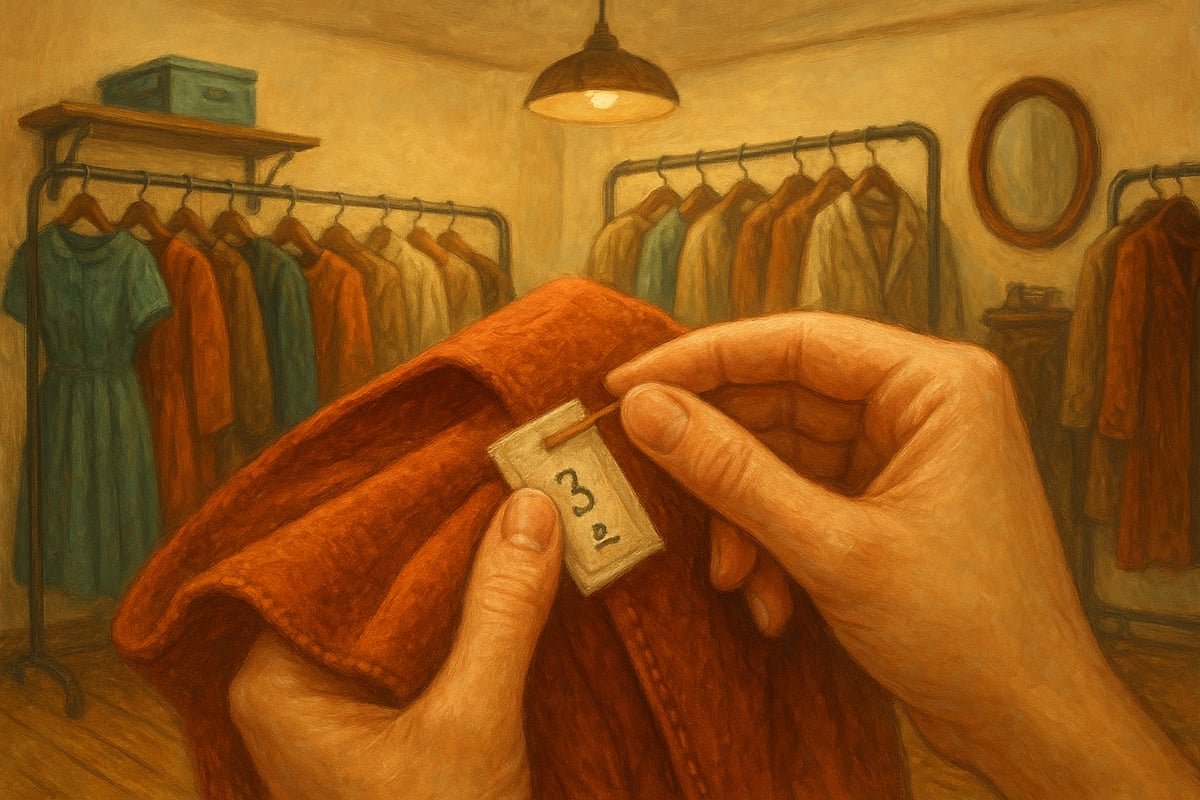
Start your authentication journey by checking the label. Genuine vintage apparel often features tags that look and feel different from modern ones. Look for old brand logos, “Made in USA” or country of origin details, and manufacturing codes that hint at the era. Sometimes, the font or even the stitching on the label can give away the age.
Next, study the garment’s construction. Vintage apparel typically uses materials and sewing techniques that aren’t as common today. Check seams, zippers, and buttons—metal zippers, for example, often signal older pieces. Don’t forget to feel the fabric. Natural fibers like cotton, wool, or silk were more common in past decades, while certain synthetics only appeared in later eras.
Signs of age can be your friend. Look for authentic wear patterns, gentle fading, or a soft patina that only comes from years of use. Be wary of items that look too new, as they might be reproductions. If you’re unsure, use online databases and reference guides to compare your piece with verified examples. For instance, when dating a Levi’s denim jacket, the red tab and care tag details can tell you a lot about its history.
Evaluating price is another key step. Search for similar vintage apparel that has sold recently to get a sense of market value. Rarity, designer labels, and cultural significance can all drive the price up. If you’re eyeing a high-ticket item, consider using professional authentication services for peace of mind.
Spotting Alterations and Repairs
Even the best vintage apparel might’ve had a little TLC over the years. Common repairs include replaced zippers, patched holes, or hems that have been let out or taken up. While small fixes are normal, major alterations can affect both value and authenticity.
To figure out if repairs were done in the same era as the garment, look at the materials and techniques used. A patch that matches the fabric and stitching style is a good sign it was repaired long ago, while modern thread or fabric might mean a recent fix. Always ask sellers about any alterations—they should be transparent and willing to share detailed photos.
Remember, some repairs can actually add character, but big changes like shortening sleeves or removing original labels can hurt the value of your vintage apparel. If you’re collecting or investing, aim for pieces with minimal alterations, or at least those where repairs were done thoughtfully and in keeping with the original style.
Styling Vintage Apparel for Modern Looks in 2025
Ready to make vintage apparel the star of your 2025 wardrobe? Mixing old-school finds with fresh trends isn't just for the fashion elite—it's a creative playground for everyone. Let's break down how to blend eras, express your vibe, and stay true to sustainable style, all while giving your closet a unique edge.
Integrating Vintage into Contemporary Wardrobes
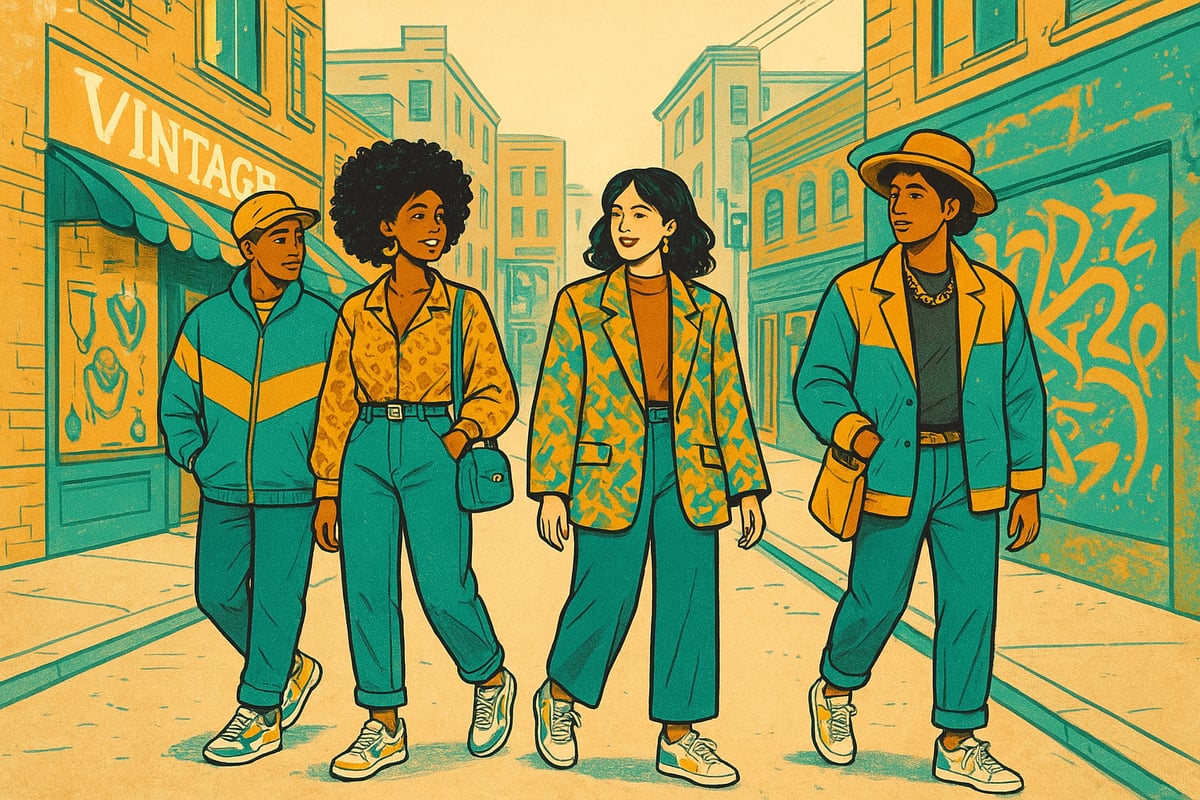
Blending vintage apparel into your daily outfits is all about creativity. Start by picking one standout piece, like a 90s windbreaker or a 70s pair of Levi’s jeans, and build around it with modern basics. Love oversized looks? Try pairing an 80s blazer with sleek 2025 athleisure for a bold contrast.
Mixing eras is easier than you think. Match a retro band tee with new wide-leg pants, or layer a 70s boho dress with a current denim jacket. Want to make it pop? Throw in some vintage accessories like chunky jewelry or a classic bag. The best part about vintage apparel is that every piece tells a story, and you get to choose how to share it.
Fashion in 2025 is all about individuality. Gender-fluid and size-inclusive styles are front and center, so don’t be afraid to experiment with silhouettes and fits. Pull inspiration from celebs like Zendaya, who rocks 90s red carpet looks, or Bella Hadid’s playful Y2K street style. When you blend vintage apparel with modern trends, you’ll stand out for all the right reasons.
Building a Signature Vintage Style
Finding your signature look with vintage apparel starts with knowing your own vibe. Are you into minimalist chic, or do you love going all out with maximalist prints? Maybe you’re drawn to boho, punk, or sporty classics. Start by scrolling Pinterest or Instagram for outfit inspo, and save what catches your eye.
Next, try making a mood board—digital or paper, whatever feels right. This helps you spot patterns in color, era, or silhouette that you naturally gravitate toward in vintage apparel. Once you’ve got your style mapped out, focus on building a capsule wardrobe. Think versatile staples: a 70s denim jacket, 90s slip dress, or 80s graphic tee. These essentials let you mix and match without overstuffing your closet.
Don’t forget to experiment! The beauty of vintage apparel is that you can always switch things up. Swap accessories, layer pieces from different decades, or add your own DIY touches. The goal is to let your personality shine while keeping your closet full of timeless, wearable favorites.
Sustainable Styling and Conscious Consumption
Choosing vintage apparel is more than a style choice—it’s a sustainable statement. By shopping secondhand, you help reduce textile waste and lower your carbon footprint. Did you know buying pre-loved clothes extends a garment’s life by over two years on average? That’s a win for both your closet and the planet.
In 2025, the push for sustainability is stronger than ever. Governments are even stepping in, with new laws like France's Senate approves law to curb ultra fast-fashion promoting thoughtful shopping and eco-friendly choices. Vintage apparel is a key player in this movement, letting you stay on trend while making a positive impact.
To shop mindfully, ask yourself: Will I actually wear this? Does it fit my style? Focus on quality over quantity, and don’t buy just because something’s trendy. When you choose vintage apparel with intention, you’re investing in looks that last and helping create a more sustainable future for fashion.
Caring for, Repairing, and Preserving Vintage Apparel
Taking care of vintage apparel is a bit like tending to a cherished garden. You want your retro finds to last, look great, and maybe even become heirlooms one day. Whether you scored a 70s band tee or a 90s windbreaker, a little TLC goes a long way. Let’s break down how you can keep your vintage apparel in top-notch shape, from cleaning and repairs to long-term preservation.
Cleaning and Maintenance Best Practices
Vintage apparel needs a gentle touch. Start by always checking the care label, if it’s still attached. Many older fabrics are delicate, so hand washing in cold water is your safest bet. For silks, wools, or anything with embellishments, choose a mild detergent and avoid bleach. If you’re unsure, a quick spot test can save you from heartbreak.
Here’s a quick checklist for cleaning vintage apparel:
- Hand wash or use the gentle cycle for most items
- Air dry flat or on padded hangers to prevent stretching
- Avoid direct sunlight, which can fade colors
- Skip the dryer and high heat, as they can shrink or damage fibers
Stain removal can be tricky with vintage apparel. Try dabbing stains gently with a mix of water and mild soap, but never rub harshly. For stubborn spots, a professional cleaner who specializes in vintage apparel is a smart call.
Storage matters too. Use acid-free boxes for delicate items, and padded hangers for jackets and dresses. Keep everything in a cool, dry place to avoid mold and mildew. Rotate your pieces every few months so they stay fresh and don’t develop creases.
DIY Repairs and When to Seek Professionals
Even the best-kept vintage apparel might need a little fixing up. Small repairs are totally doable at home and can help extend the life of your favorite pieces. Basic mending includes sewing on buttons, fixing loose seams, or patching tiny holes.
Here are some easy repairs you can try on vintage apparel:
- Reattaching loose buttons with matching thread
- Stitching up minor seam splits
- Using iron-on patches for small holes in denim or cotton
If you run into bigger problems, like a broken zipper or major tears, it’s usually best to call in a professional tailor. The same goes for specialty fabrics like velvet or lace. They have the right tools and know-how to keep your vintage apparel looking authentic.
Try to avoid making changes that can’t be undone, like cutting off sleeves or drastically altering the fit. These tweaks might lower the value of your vintage apparel, especially if it’s a rare or collectible item. When in doubt, less is more.
Long-Term Preservation for Collectors
If you’re building a collection of vintage apparel, preservation is key. Protect your garments from light, moisture, and pests by storing them in a cool, dark closet or a breathable garment bag. Cedar blocks or lavender sachets can help keep moths away, but make sure nothing touches the fabric directly.
Rotate your vintage apparel every few months to prevent permanent creases and fabric breakdown. For high-value pieces, document their history, including where you found them and any repairs made. Keeping these records can increase their value and make your collection even more meaningful.
Finally, remember that caring for vintage apparel is about enjoying the journey. Each piece has a story, and with a little effort, you’ll keep those stories alive for years to come.
The Future of Vintage Apparel: Trends, Technology, and Sustainability
Curious where vintage apparel is headed in 2025 and beyond? Let’s peek into the future and see what’s next for this beloved style movement. From revived trends to cutting-edge technology and a new wave of sustainable thinking, the vintage world is buzzing with excitement.
Emerging Trends Shaping Vintage Fashion in 2025
Vintage apparel is experiencing a major revival, and 2025 is all about embracing individuality. The spotlight is on 90s and Y2K pieces—think baggy jeans, crop tops, and bold logos. Early 2000s styles are back too, with playful colors and statement accessories making waves.
But it’s not just about reliving old trends. We’re seeing a surge in gender-neutral and size-inclusive vintage apparel. More shops are curating selections that cater to all bodies and identities, making vintage fashion truly accessible.
Customization is another big trend. People are upcycling vintage apparel into one-of-a-kind looks, from patchwork jackets to reimagined band tees. Sustainability and creativity go hand in hand as more shoppers choose to repair, alter, or personalize their finds.
Want a quick snapshot of what’s hot?
| Trend | Example Pieces | Why It’s Popular |
|---|---|---|
| 90s/Y2K Revival | Tommy Hilfiger jackets | Nostalgia, bold statements |
| Gender-Inclusive | Oversized blazers | Accessibility, inclusivity |
| Upcycled Vintage | Patchwork denim | Creativity, sustainability |
Vintage apparel is more than just old clothes—it’s a canvas for self-expression and innovation.
Technology’s Role in Vintage Shopping
Technology is changing the way we discover and shop for vintage apparel. In 2025, AI-powered tools are making it easier to authenticate rare pieces and set fair prices. Shoppers can use virtual try-on apps to see how that 90s windbreaker fits before buying, all from the comfort of home.
Augmented reality shopping experiences let you “walk” through digital vintage boutiques and interact with items in real time. Blockchain technology is starting to track the provenance of high-value vintage apparel, giving collectors peace of mind about authenticity.
If you’re curious about how all these innovations are coming together, check out this fascinating exploration of the Integration of AI and metaverse in the fashion industry. It covers the impact of emerging tech on everything from authentication to virtual shopping.
Here are a few ways tech is transforming vintage shopping:
- AI authenticates labels and materials quickly
- AR lets you mix and match outfits virtually
- Blockchain secures ownership records for rare finds
The future of vintage apparel is high-tech, making the hunt for unique pieces smarter and more fun.
The Sustainability Movement in Vintage Apparel
Sustainability is at the heart of the vintage apparel boom. By choosing secondhand, you’re keeping clothes in circulation and reducing demand for new production. The secondhand market is projected to reach $77 billion by 2025, and vintage apparel is a big reason why.
Buying vintage apparel extends the life of garments by an average of 2.2 years, which means less waste and a smaller carbon footprint. More brands and platforms are making it easy to repair, resell, and upcycle, so nothing goes to landfill before its time.
What makes vintage apparel so eco-friendly?
- Reduces textile waste
- Cuts down on water and energy use
- Encourages mindful, slower consumption
Sustainable shopping is more than a trend—it’s a movement. Vintage apparel gives you a chance to look great, save money, and do good for the planet.
Community, Culture, and the Next Generation
The vintage apparel community is thriving, thanks to Gen Z and Millennials. These generations are driving demand with their love of nostalgia, individuality, and sustainability. Social media platforms like Instagram and TikTok are packed with vintage outfit inspiration, how-to guides, and live sales.
Hashtags like #vintagefashion rack up over 1.5 million posts every month, connecting shoppers, sellers, and collectors worldwide. Online forums and local pop-ups create spaces for swapping tips and sharing finds.
Looking ahead, expect the vintage apparel world to get even more diverse and innovative. As technology evolves and sustainability becomes non-negotiable, vintage will stay relevant for years to come. Whether you’re a collector or just starting out, the future of vintage apparel is bright, inclusive, and full of possibilities.
Now that you know how vintage style can totally transform your look and help the planet, why not bring those vibes into your own closet? Whether you’re just dipping your toe into vintage or you’re ready to build a signature style, La Familia Forever’s latest collection has something for everyone—think tees, hoodies, headwear, and accessories that capture the streetwear spirit with legit attention to detail. If you’re inspired to make your next outfit stand out with a unique twist, check out what’s fresh and let your style do the talking.
Shop Now