


Urban Streetwear Brands: The Culture Behind the Style
The streets have always been a runway for self-expression, and in 2026, that's never been more true. Urban streetwear brands have transformed from underground movements into cultural powerhouses, blending fashion with music, art, and the raw energy of city life. What started as kids in New York and LA expressing themselves through oversized tees and sneakers has evolved into a multi-billion dollar industry that influences everything from high fashion runways to what you'll wear this weekend. These brands aren't just selling clothes - they're selling identity, community, and a piece of the culture that created them.
The DNA of Authentic Urban Streetwear
When we talk about authentic urban streetwear brands, we're diving into something way deeper than just graphic tees and hoodies. The real deal brands understand that streetwear is about storytelling, cultural connection, and representing where you come from.
Cultural Roots That Matter
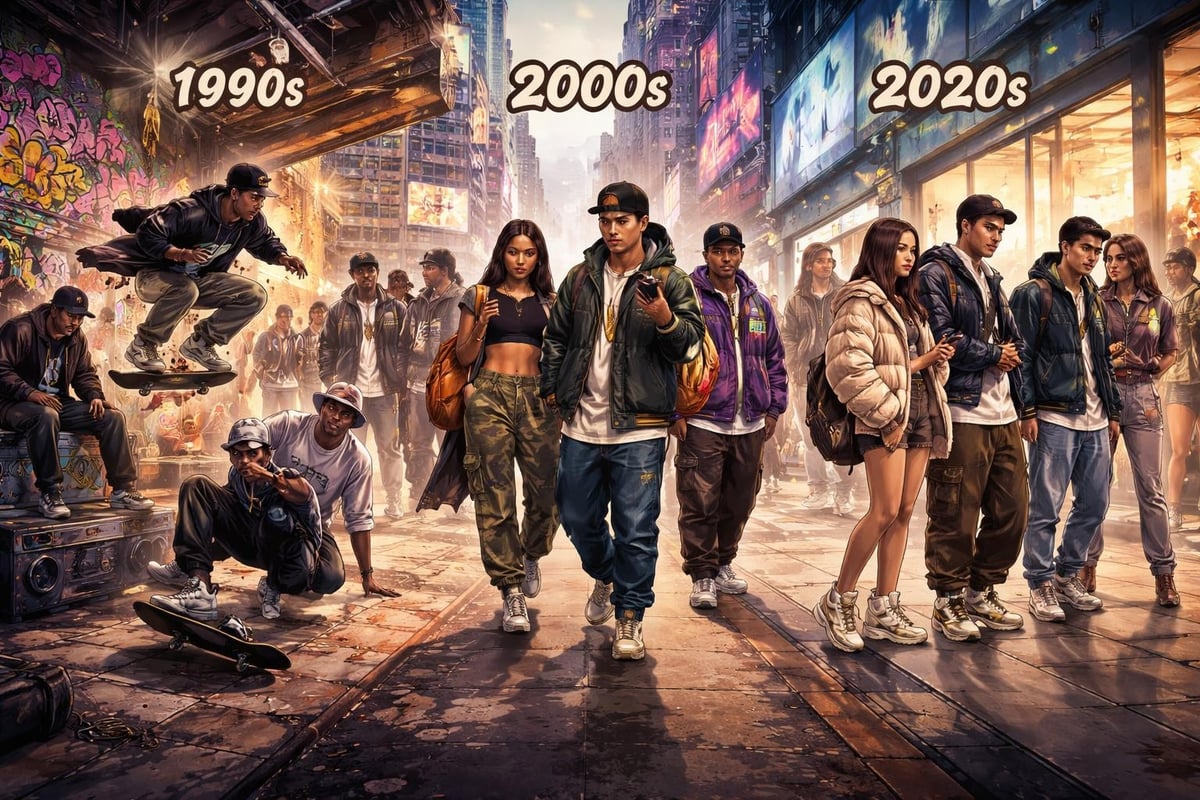
The history of streetwear clothing traces back to the late 1970s and early 1980s, when skateboarding and hip-hop cultures started creating their own visual identities. Brands that get this history right don't just slap logos on clothes - they understand the context, the music, the movements that made streetwear what it is today.
Key elements that define authentic urban streetwear:
- Deep connections to hip-hop, skateboarding, or street art culture
- Limited drops and exclusive releases that create community
- Quality construction that stands up to actual street wear
- Graphics and designs that tell stories or reference cultural moments
- Collaboration with artists, musicians, and other cultural figures
The evolution from subculture to high fashion hasn't diluted the best brands - it's actually forced them to stay more authentic to compete. When Supreme collaborates with Louis Vuitton or Off-White shows at Paris Fashion Week, it raises the bar for everyone.
What Sets Urban Brands Apart Today
In 2026, the market is flooded with brands calling themselves streetwear. But urban streetwear brands that actually resonate share specific characteristics. They're deeply connected to the cities and communities they represent. They understand that a hoodie isn't just a hoodie - it's armor, it's identity, it's a statement.
| Authentic Urban Brands | Generic Streetwear |
|---|---|
| Community-driven drops and events | Mass production for maximum profit |
| Cultural storytelling through designs | Trend-chasing graphics |
| Limited quantities with real scarcity | Artificial scarcity tactics |
| Quality materials and construction | Cost-cutting on materials |
| Organic celebrity/influencer relationships | Paid endorsements only |
Quality clothing isn't negotiable for brands that want to last. Your customers can tell the difference between a tee that's built to survive the city and one that'll fall apart after three washes.
The Major Players Shaping Street Culture
Urban streetwear brands come in all sizes, from garage startups to global phenomena. Understanding the landscape helps you see where your favorite pieces fit into the bigger picture.
Heritage Brands That Started It All
Some brands have been in the game since day one. Stüssy's been repping surf and street culture since the 1980s. FUBU literally stands for "For Us, By Us," bringing authentic Black cultural expression to the forefront. These OGs proved that streetwear could evolve from urban roots to influence high fashion without losing its soul.
Legendary urban streetwear brands:
- Supreme - The New York skateboarding brand that became a cultural icon
- Stüssy - West Coast surf and street culture since 1980
- FUBU - Hip-hop heritage and Black entrepreneurship
- BAPE - Japanese street culture meets American hip-hop
- The Hundreds - California streetwear with punk and skate DNA
The New Generation Making Waves
Fresh voices are constantly emerging in the streetwear scene. Brands like Aimé Leon Dore blend classic New York aesthetics with modern sensibilities, creating pieces that feel both nostalgic and forward-thinking. They understand that urban fashion is about more than following trends - it's about creating them.
Smaller independent brands are killing it too. La Familia Forever represents this new wave perfectly, offering streetwear that emphasizes quality construction and authentic self-expression. These brands understand their communities because they're part of them.
The streetwear market research shows that consumers in 2026 are increasingly drawn to brands with authentic stories and genuine cultural connections. You can't fake this stuff anymore - people see through it immediately.
Style Categories Within Urban Streetwear
Not all urban streetwear brands fit the same mold. The culture has diversified into distinct aesthetics, each with its own vibe and following.
Classic Hip-Hop Influenced
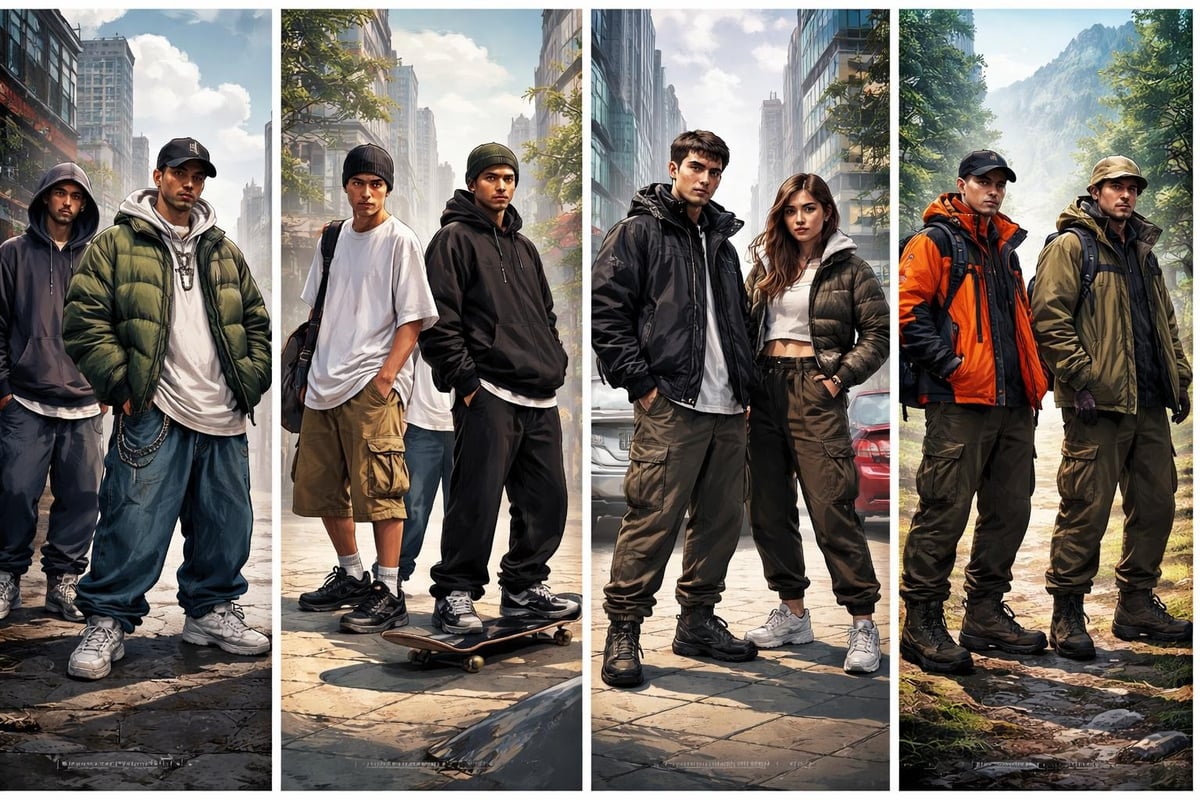
This is where it all started for a lot of people. Oversized silhouettes, bold graphics, baggy fits, and that unmistakable connection to hip-hop culture. Brands in this lane focus on pieces that reference rap lyrics, album artwork, and the golden age of hip-hop.
- Oversized hoodies and graphic tees
- Baggy pants and relaxed fits
- Bold logos and statement pieces
- Basketball jersey influences
- Chunky sneakers and streetwear accessories
Skate-Inspired Minimalism
Skateboarding's influence on urban streetwear can't be overstated. This aesthetic is cleaner, more functional, with durable materials that can handle actual skating. Think simple color palettes, reinforced stitching, and designs that don't get in the way of movement.
Luxury Streetwear Fusion
When Virgil Abloh launched Off-White, he proved that streetwear could command luxury prices without losing its edge. This category blends high-end materials and construction with street aesthetics. It's where you'll see $500 hoodies that sell out in minutes.
Outdoor-Influenced Gorpcore
One of the wildest trends is gorpcore, where outdoor recreation gear becomes streetwear. North Face puffers, Patagonia fleeces, and hiking boots are now essential pieces in urban wardrobes. It's functional fashion that works just as well in the city as it does on the trail.
Building Your Urban Streetwear Wardrobe
Creating a solid streetwear collection is about understanding what works for your style and how pieces fit into the culture.
Essential Pieces Everyone Needs
Starting your streetwear journey doesn't mean buying everything at once. Smart collectors build their wardrobes around versatile pieces that work across different fits.
The foundation pieces:
- Quality graphic tees from brands with authentic stories
- A solid hoodie collection for layering
- Well-fitted jeans or joggers
- Statement headwear that reflects your personality
- Versatile sneakers that complete the look
Streetwear t-shirt brands form the backbone of most collections. A great tee can anchor an entire outfit, and when it comes from a brand with real cultural credibility, it means something.
Mixing High and Low
You don't need a trust fund to dress well. The best streetwear fits often mix affordable pieces with investment items. Maybe you're rocking a vintage tee with designer sneakers, or pairing budget joggers with a grail hoodie you've been hunting for months.
| Investment Pieces | Budget-Friendly Options |
|---|---|
| Limited edition sneakers | Classic white sneakers |
| Heavyweight hoodies from heritage brands | Well-made basics from independent brands |
| Collector graphic tees | Current season releases |
| Designer accessories | Vintage finds and thrifted pieces |
The quality versus quantity debate is real. One well-made hoodie that lasts five years beats ten cheap ones that fall apart in six months.
How Urban Streetwear Brands Connect With Communities
The relationship between brands and their customers in streetwear is different from traditional fashion. It's more personal, more direct, and built on mutual respect.
The Drop Culture Phenomenon
Limited releases and drops have become the heartbeat of streetwear. When a brand announces a drop, it's an event. People line up (physically or virtually), communities discuss strategies for copping, and the pieces become instant collectibles.
This isn't just marketing - it's community building. Strategic analysis of the streetwear market shows that exclusivity and scarcity drive engagement, but only when they're authentic and not manipulative.
Why drop culture works:
- Creates genuine excitement and anticipation
- Builds community through shared experiences
- Maintains brand value through controlled supply
- Rewards loyal customers who pay attention
- Generates organic social media conversation
Social Media and Streetwear Identity
Instagram, TikTok, and other platforms have changed how urban streetwear brands communicate. It's not about polished advertising campaigns - it's about real people wearing real clothes in real situations. User-generated content, outfit grids, and styling videos create a feedback loop between brands and communities.
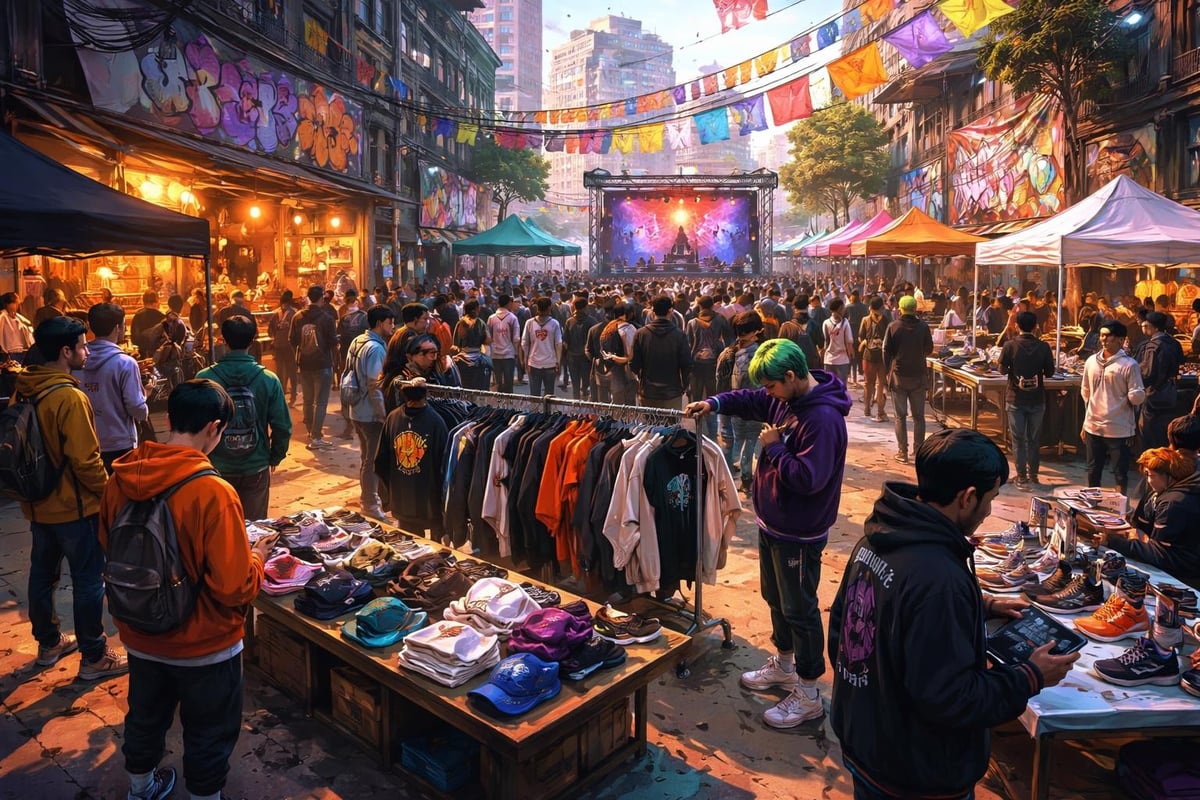
The smartest brands treat their customers like collaborators. They listen to feedback, engage with comments, and create pieces that reflect what their community actually wants to wear.
Supporting Independent Streetwear Brands
While the big names get most of the attention, independent urban streetwear brands are where real innovation happens. These smaller operations take risks, experiment with designs, and stay closely connected to their communities.
Why Independent Matters
When you buy from an independent brand, you're supporting actual people following their vision. There's no corporate board deciding what's cool - just designers and founders who live the culture they're creating for.
American clothing companies like La Familia Forever prove that you don't need massive resources to create quality streetwear. You need passion, attention to detail, and respect for the culture.
Benefits of supporting independent brands:
- Direct support of creative entrepreneurs
- More unique, less mass-produced designs
- Better quality control and customer service
- Pieces that not everyone else is wearing
- Contributing to diverse voices in fashion
Independent brands also tend to be more responsive to their communities. They're not trying to appeal to everyone - they're creating for specific people with specific tastes.
Finding Your Brand Identity
Not every urban streetwear brand will resonate with you, and that's the point. The beauty of streetwear culture is that there's room for different aesthetics, different messages, and different vibes. Your job is finding the brands that speak your language.
Look for brands that share your values, whether that's sustainability, cultural representation, quality craftsmanship, or creative innovation. When you find those connections, the clothes mean more than just fabric and thread.
The Future of Urban Streetwear
Looking ahead, urban streetwear brands face both opportunities and challenges. The culture is more mainstream than ever, which brings resources and attention but also risks of dilution.
Sustainability Becomes Essential
The next generation of streetwear consumers cares about how their clothes are made. Brands that ignore sustainability and ethical production will get left behind. We're seeing more urban streetwear brands adopt eco-friendly materials, transparent supply chains, and production methods that don't trash the planet.
This shift doesn't mean sacrificing style or quality. It means being smarter about materials, more thoughtful about production, and more honest with customers about where their clothes come from.
Technology and Streetwear Intersect
Digital fashion, NFTs, and virtual clothing seemed like gimmicks a few years ago. Now they're legitimate extensions of streetwear culture. Some brands are creating digital pieces that exist only in virtual spaces. Others use blockchain to verify authenticity and combat counterfeiting.
Emerging trends in urban streetwear:
- Direct-to-consumer models that cut out middlemen
- Made-to-order production reducing waste
- Virtual try-on and AR shopping experiences
- Community-driven design through voting and feedback
- Blockchain authentication for limited releases
The evolution toward hypebeast culture showed how quickly streetwear can adapt to new technologies and platforms. The brands that embrace innovation while staying true to their roots will thrive.
Local Focus in a Global Market
Interestingly, as streetwear goes global, there's increasing value in local authenticity. Brands that represent specific cities, neighborhoods, or communities stand out in a sea of generic options. This hyperlocal approach creates stronger connections and more meaningful products.
Making Informed Streetwear Purchases
With thousands of urban streetwear brands competing for your attention (and money), being a smart consumer matters more than ever.
Research Before You Buy
Don't just impulse buy because something looks cool on Instagram. Check out the brand's story, read reviews, look at quality details, and make sure you're getting what you pay for. Online streetwear retail has made purchasing easier, but also made it easier to waste money on subpar products.
Ask yourself these questions:
- What's the brand's story and cultural connection?
- What are customers saying about quality and fit?
- Does the price reflect actual value or just hype?
- Will I still want to wear this in six months?
- Does this piece fit my actual style or am I chasing trends?
Building Relationships With Brands
The best streetwear experiences come from finding brands you genuinely connect with and supporting them over time. Join their mailing lists, follow their social media, participate in their community. Many urban streetwear brands reward loyal customers with early access to drops, exclusive pieces, or special events.
| Smart Shopping Habits | Pitfalls to Avoid |
|---|---|
| Research brand background and values | Buying purely for resale value |
| Consider cost-per-wear over initial price | Impulse purchases based on hype alone |
| Build relationships with brands you love | Overextending budget for limited releases |
| Mix investment pieces with affordable basics | Ignoring fit and quality for brand names |
| Focus on pieces you'll actually wear | Following trends that don't match your style |
Remember that streetwear is personal expression, not a competition. Wear what feels authentic to you, not what Instagram tells you is cool this week.
Urban streetwear brands represent more than just fashion - they're cultural movements, community builders, and platforms for self-expression. As the landscape continues evolving in 2026, the brands that stay true to their roots while embracing innovation will lead the culture forward. Whether you're drawn to heritage brands with decades of history or discovering fresh independent voices, the key is finding pieces that genuinely resonate with who you are. La Familia Forever offers streetwear built on quality, attention to detail, and authentic self-expression, creating distinctive collections for those who appreciate fashion that means something. Explore their range of tees, hoodies, and accessories that set a new standard for what urban streetwear can be.