


Streetwear Fashion Brand: The Ultimate Guide for 2026
The streetwear movement has transformed from underground skate parks and hip-hop venues into a global fashion phenomenon that's reshaping how we think about clothing, identity, and self-expression. What started as a rebellious counterculture has become a dominant force in the fashion industry, with the global streetwear market valued at $185 billion and continuing to grow. Whether you're building a streetwear fashion brand or just passionate about the culture, understanding what makes this movement tick is essential in 2026.
What Defines a Streetwear Fashion Brand Today
A streetwear fashion brand isn't just about selling graphic tees and hoodies. It's about creating a lifestyle, building a community, and offering pieces that let people express their authentic selves. The DNA of streetwear comes from its roots in surf, skate, and hip-hop culture dating back to the 1970s and 1980s, but today's brands are evolving beyond those origins.
The modern streetwear aesthetic blends comfort with attitude. You'll find oversized silhouettes, bold graphics, limited-edition drops, and an emphasis on authenticity that traditional fashion houses struggle to replicate. But here's what really sets streetwear apart: it's driven by culture first, products second.
Key Elements Every Streetwear Fashion Brand Needs
Quality over everything. Sure, streetwear started as casual, accessible clothing, but today's consumers expect premium materials and construction. That's why brands focusing on quality clothing stand out in an oversaturated market. Your heavyweight cotton needs to feel substantial. Your stitching needs to hold up through years of wear. Your prints need to stay vibrant wash after wash.
- Authentic storytelling that connects with your community
- Distinctive design language that's recognizable across pieces
- Limited releases that create anticipation and exclusivity
- Cultural relevance through collaborations and community engagement
- Consistent quality that builds trust and loyalty
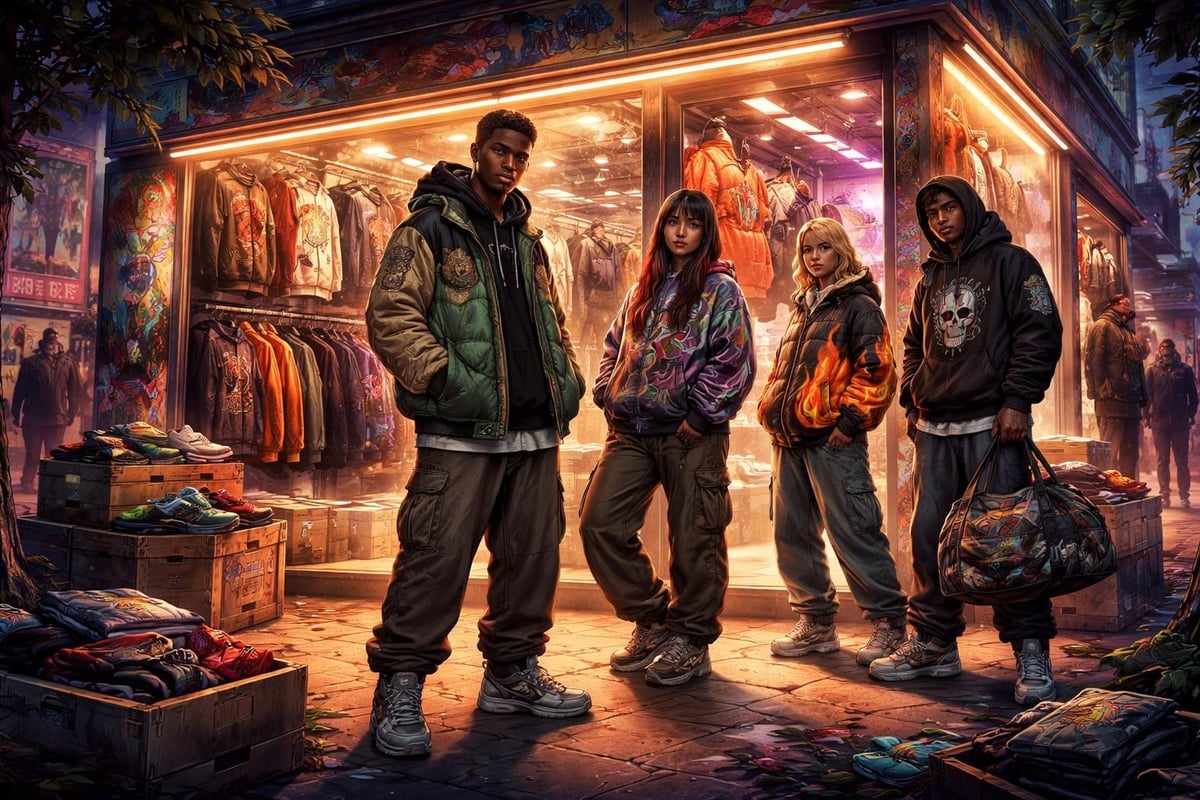
The brands winning in 2026 understand that every piece tells a story. When someone wears your gear, they're not just putting on clothes. They're making a statement about who they are and what they value.
Building Your Brand Identity in a Crowded Market
Here's the truth: launching another streetwear fashion brand in 2026 means competing with thousands of others. But that doesn't mean there's no room for new players. It means you need to be intentional about what makes you different.
Your brand identity starts with understanding your audience deeply. Who are they? What do they care about? What gaps exist in their current wardrobe options? The most successful brands don't try to appeal to everyone. They find their tribe and serve them obsessively well.
Crafting Your Unique Perspective
Think about what The Hundreds built over the years. They didn't just make clothes. They created a media empire around their brand, telling stories that resonated with their community. Or look at how brands like Corteiz leverage scarcity and community activation to create massive demand.
Your unique angle might come from:
- Geographic inspiration rooted in your local community
- Artistic collaboration with creators in your network
- Material innovation using unexpected fabrics or construction methods
- Social mission addressing issues your audience cares about
- Design philosophy that challenges streetwear conventions
Whatever direction you choose, commit to it fully. Half-hearted branding gets lost in the noise. Bold, consistent vision cuts through.
Product Development That Resonates
Creating products for a streetwear fashion brand requires balancing creativity with commercial viability. You need pieces that push boundaries while remaining wearable. That's a tightrope walk, but it's where the magic happens.
Start with your core categories. Most streetwear brands build around tees, hoodies, and headwear before expanding into other areas. These are the foundation pieces that people buy repeatedly, that become part of their daily rotation.
| Product Category | Starting Price Range | Typical Margins | Community Impact |
|---|---|---|---|
| Graphic Tees | $35-55 | 60-70% | High (daily wear, visibility) |
| Hoodies | $75-125 | 55-65% | Very High (loyalty driver) |
| Headwear | $30-45 | 65-75% | Medium (seasonal variation) |
| Accessories | $15-50 | 70-80% | Medium (impulse purchases) |
The Art of the Drop
Forget traditional seasonal collections. Streetwear runs on drops. Regular releases keep your community engaged and create urgency. But here's what many new brands get wrong: they focus so much on the drop strategy that they forget about product quality and design innovation.
Your drop schedule might look like monthly releases with two to four new pieces each time. Some brands go weekly, others quarterly. Find what works for your production capabilities and audience expectations. The key is consistency and building anticipation.
Pro tip: Document your design and production process. Share behind-the-scenes content showing how pieces come together. This transparency builds trust and makes each drop more meaningful to your community.
Marketing Your Streetwear Fashion Brand Authentically
Traditional advertising doesn't work for streetwear. Your audience can smell inauthentic marketing from a mile away. Instead, focus on community building, storytelling, and cultural contribution.
Social media is non-negotiable, but it's not about posting product shots and hoping for sales. Share your brand's perspective on culture, art, music, and the issues your community cares about. Show real people wearing your pieces in real situations. Build relationships with micro-influencers who genuinely connect with your vision.
Community Is Everything
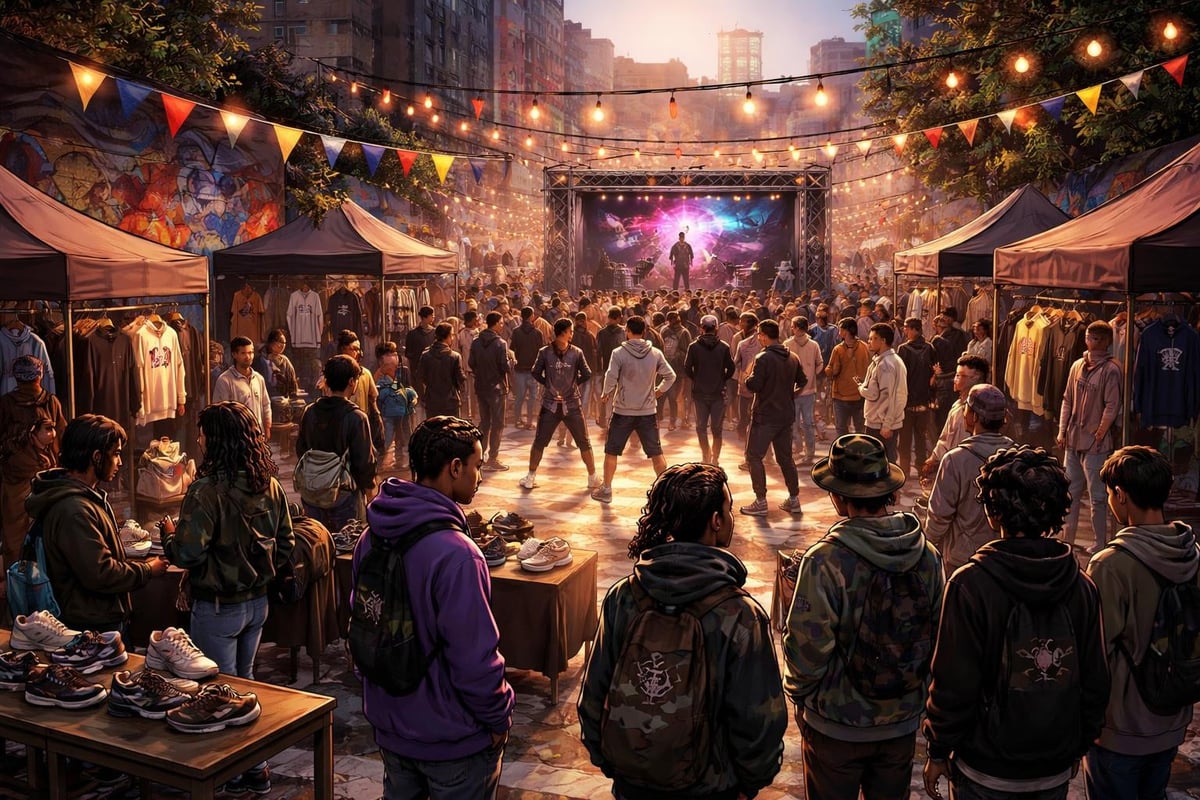
The strongest streetwear brands are movements, not just companies. They create spaces (physical or digital) where their community can connect, express themselves, and feel part of something bigger. This might mean hosting events, creating online forums, supporting local artists, or championing causes your audience believes in.
Look at successful clothing companies in the USA and you'll notice they've built ecosystems around their brands. They're not just transactional. They're relational.
- Host pop-up shops that feel like cultural events, not retail spaces
- Collaborate with local artists, musicians, and creatives
- Create content that entertains and inspires, not just sells
- Engage authentically on social platforms (real conversations, not canned responses)
- Support your community members' creative projects
Collaborations and Cultural Partnerships
Collaborations are streetwear currency. They generate buzz, expand your reach, and bring fresh perspectives to your brand. But random collabs don't move the needle. Strategic partnerships with aligned brands, artists, or cultural figures create genuine excitement.
The best collaborations feel inevitable, like they were always meant to happen. They make sense to both audiences and create something neither brand could make alone. Think about how high fashion brands integrate streetwear elements to reach new audiences while streetwear brands gain prestige through these partnerships.
Finding the Right Partners
Start local. Partner with artists, musicians, or creators in your community who share your values. These grassroots collaborations often resonate more deeply than celebrity partnerships because they feel authentic and accessible. As your brand grows, you can pursue larger collaborations, but never lose that community-first approach.
Consider collaboration opportunities beyond other clothing brands:
- Local artists for limited-edition graphic designs
- Musicians for tour merchandise or co-branded pieces
- Skate shops or boutiques for exclusive regional releases
- Charitable organizations for cause-driven collections
- Food and beverage brands for unexpected cultural crossovers
Production and Quality Control Standards
Here's where many aspiring streetwear brands stumble. They nail the design and marketing but skimp on production quality. Your customers will wear your pieces multiple times per week. They'll wash them repeatedly. They need to hold up, or you've lost that customer forever.
Working with manufacturers requires diligence. Sample everything multiple times. Test your garments through real-world wear. Wash them twenty times and see how they hold up. Check that your prints don't crack or fade. Ensure your heavyweight cotton actually feels premium.
Quality benchmarks for 2026:
- Tees: Minimum 200 GSM fabric weight for premium positioning
- Hoodies: 450+ GSM with quality hardware and stitching
- Prints: High-density screen printing or DTG that survives 50+ washes
- Construction: Reinforced seams, quality neck labels, attention to finishing details
Sourcing and Ethics
Modern consumers care about how their clothes are made. Transparency about your production process builds trust. While you don't need to manufacture everything domestically, you do need to ensure ethical working conditions, fair wages, and environmental responsibility throughout your supply chain.
Many successful streetwear brands partner with manufacturers who share their values, then use that partnership as part of their brand story. Where and how you make your clothes matters as much as the designs themselves.
E-commerce and Distribution Strategy
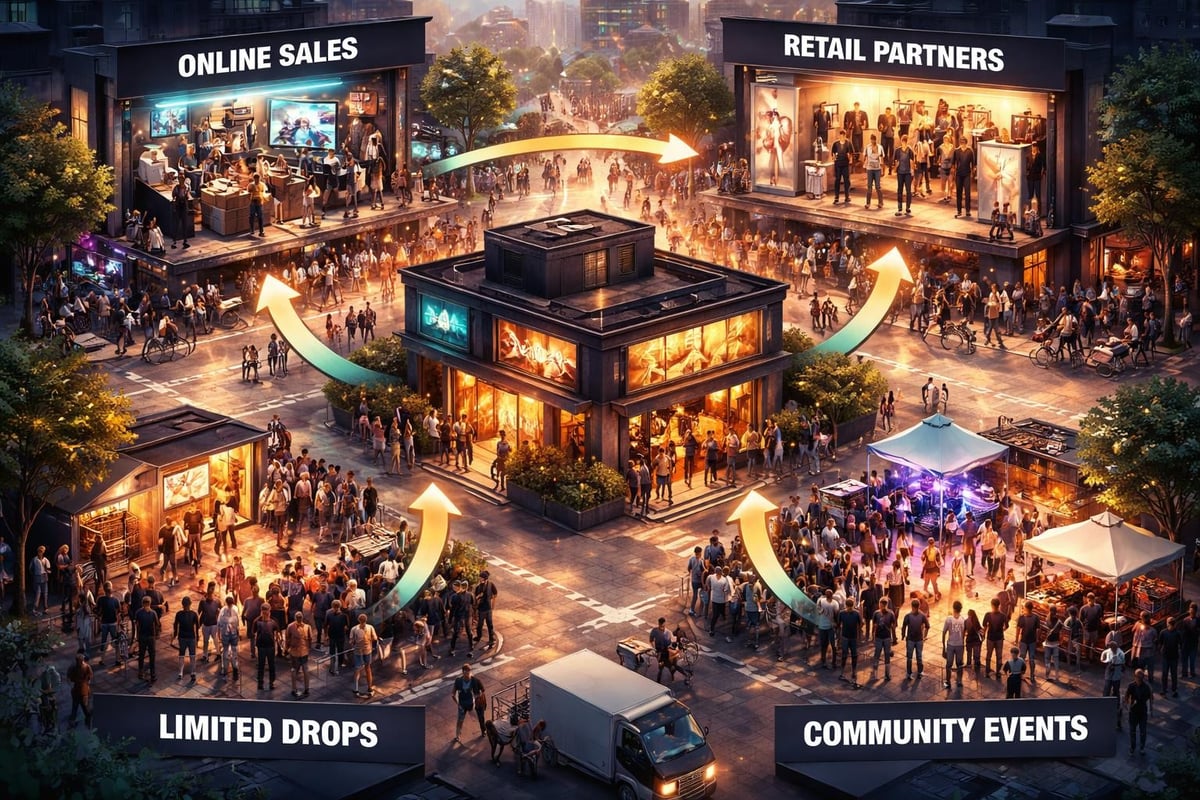
Your website is your flagship store. It needs to load fast, look incredible on mobile, and make purchasing effortless. But beyond basic functionality, your e-commerce experience should reflect your brand personality. Custom photography, engaging product descriptions, and streamlined checkout create the experience your customers expect.
Drop culture means your site needs to handle traffic spikes. Nothing kills hype faster than a website that crashes during a release. Invest in solid hosting and test your infrastructure before major drops.
| Distribution Channel | Pros | Cons | Best For |
|---|---|---|---|
| Direct-to-consumer website | Highest margins, full control, customer data | Requires marketing investment | Core brand building |
| Stockists/boutiques | Credibility, new audiences | Lower margins, less control | Geographic expansion |
| Pop-up shops | Experiential, community building | High overhead, temporary | Launch events, awareness |
| Marketplaces | Built-in traffic | Brand dilution risk, fees | Testing new markets |
The Power of Scarcity
Limited releases aren't just hype tactics. They're quality control. By producing smaller batches, you can maintain higher standards, reduce waste, and create products people genuinely value. This approach also allows you to test designs and gauge demand before committing to larger production runs.
Some brands restock popular items, while others embrace the one-and-done mentality. Both approaches work, depending on your brand philosophy and business model. The key is setting clear expectations with your community about what they can expect.
Pricing Strategy for Sustainable Growth
Pricing a streetwear fashion brand requires understanding both your costs and your perceived value. Price too low and you're leaving money on the table while signaling lower quality. Price too high without the brand equity to support it and you'll struggle to find customers.
Your pricing should reflect your quality, design innovation, and brand positioning. Premium materials and construction justify higher price points, but you need to communicate that value effectively. Share details about your fabrics, your construction process, and what makes your pieces worth the investment.
Consider your pricing tiers:
- Entry-level pieces (accessories, basic tees) that let new customers try your brand
- Core products (hoodies, signature tees) that represent your brand identity
- Premium releases (collaborations, limited editions) that reward loyal fans and drive aspirational appeal
Most successful streetwear brands position themselves in the premium-but-accessible range. Not luxury pricing, but significantly above fast fashion. This sweet spot communicates quality while remaining attainable for your core audience.
Adapting to Trends While Staying True
The evolution of streetwear shows constant change while maintaining core principles. In 2026, we're seeing increased focus on sustainability, gender-neutral designs, and technical fabrics. But chasing every trend is a recipe for brand confusion.
Stay aware of what's happening in streetwear culture without letting it dictate your every move. If a trend aligns with your brand vision, explore it. If it doesn't, let it pass. Your community follows you for your unique perspective, not because you're copying whatever's hot this month.
Future-Proofing Your Brand
Think about longevity from day one. Build systems that scale. Develop design signatures that can evolve but remain recognizable. Create brand guidelines that maintain consistency across products, marketing, and community touchpoints.
The streetwear brands that last decades aren't the ones that had one viral moment. They're the ones that consistently delivered quality, maintained authentic community relationships, and evolved thoughtfully with culture while staying true to their core identity.
Learning from Established Players
Study brands like Represent, which grew from a bedroom operation to a global streetwear force through relentless focus on quality and design innovation. Or Warren Lotas, who built a cult following through distinctive artistic vision despite (or perhaps because of) controversy.
Even newer brands like Sp5der offer lessons about leveraging cultural cachet and creating instantly recognizable design languages. Each successful streetwear fashion brand has its own playbook, but common threads emerge: authenticity, quality, community, and consistent vision.
Lessons from the leaders:
- Build your brand narrative before you build your product line
- Invest in quality that exceeds expectations at your price point
- Create genuine relationships with your community, not just transactions
- Develop signature design elements that become instantly recognizable
- Stay patient through the building phase (success rarely happens overnight)
Measuring Success Beyond Sales
Revenue matters, obviously. But for a streetwear fashion brand, cultural impact is equally important. Are people wearing your pieces in their daily lives? Are they sharing your content? Do they feel connected to your brand's mission and values?
Track both quantitative metrics (sales, traffic, conversion rates, average order value) and qualitative feedback (social engagement, customer testimonials, community participation). The intersection of commercial success and cultural relevance is where streetwear brands thrive long-term.
Consider metrics like:
- Repeat purchase rate (shows brand loyalty beyond hype)
- Sell-through speed (indicates demand accuracy)
- Organic social mentions (measures cultural penetration)
- Community event participation (shows engagement depth)
- Press and cultural recognition (validates brand impact)
Streetwear success isn't just about moving units. It's about creating pieces people love enough to wear until they fall apart, then buying replacements because nothing else feels quite right.
Building a streetwear fashion brand in 2026 requires equal parts creative vision, business savvy, and cultural awareness. The brands that win are those that stay true to their unique perspective while delivering consistent quality and fostering genuine community connections. Whether you're drawn to streetwear t-shirts brands for their graphic innovation or hoodies that become daily uniforms, the principles remain constant: authenticity, quality, and community first. If you're ready to experience streetwear that embodies these values, explore what La Familia Forever has created-a brand built on the spirit of the street with unwavering attention to detail and self-expression.