


Merchandise Clothing Guide: Your Path to Success in 2026
Ready to turn your passion for fashion into a thriving business? The merchandise clothing industry is booming in 2026, and there’s no better time to jump in.
Merchandise clothing isn’t just about selling shirts or hoodies, it’s about creating a brand that fans and customers want to be part of. With merch-driven brands exploding, creators and entrepreneurs have more opportunities than ever.
A successful merchandise clothing line can do so much: build a loyal community, boost your revenue, and make your personal or business brand unforgettable.
This guide will walk you step-by-step through everything you need to know to launch and scale your own merchandise clothing business in 2026.
You’ll get a complete roadmap, including the latest market trends, planning and design tips, production know-how, marketing strategies, and proven ways to grow. Let’s get started on your journey to merch success.
Understanding the 2026 Merchandise Clothing Landscape
The merchandise clothing industry is in a major growth phase, and if you're thinking of jumping in, it's a super exciting time. Let's break down what's shaping the space, how customers are changing, who the big players and niche stars are, and what you need to know about regulations and the supply chain.
Key Trends Shaping the Industry
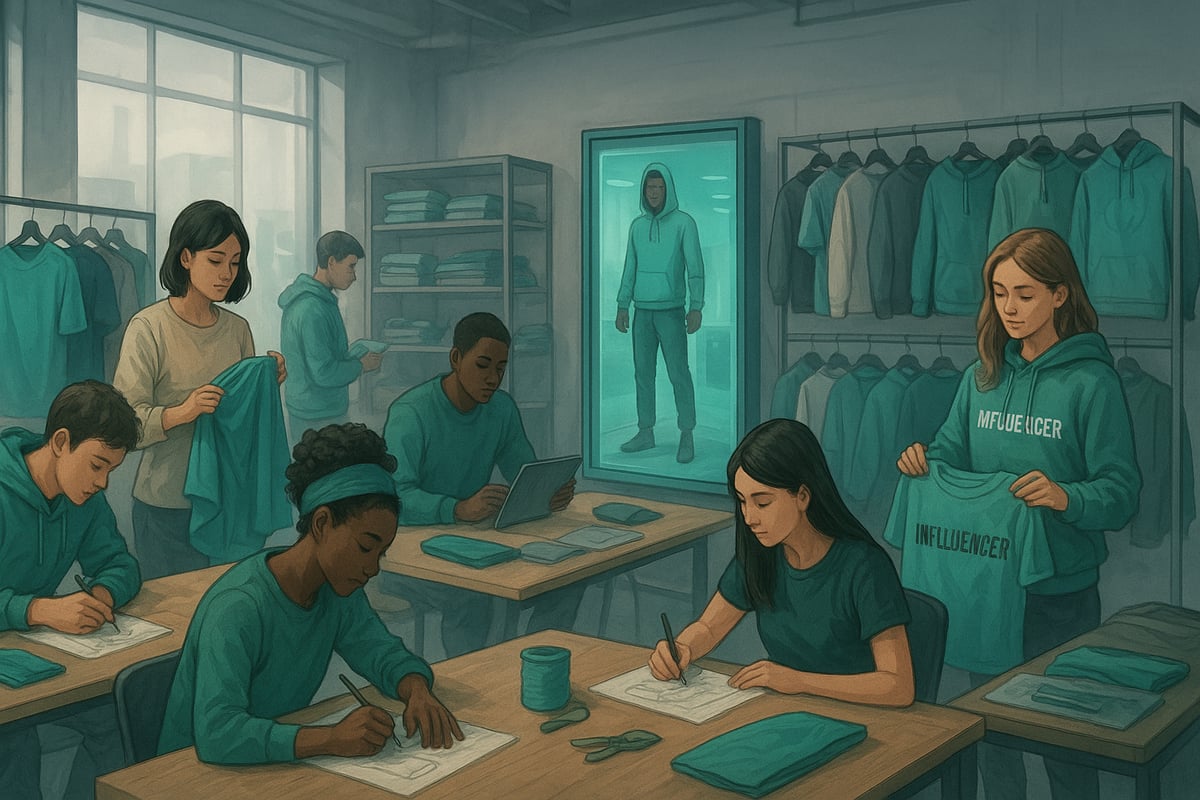
The world of merchandise clothing in 2026 is all about creativity, tech, and sustainability. More creators and influencers are launching their own merch, making it a go-to move for building a brand. Sustainability isn't just a buzzword anymore—eco-friendly fabrics and ethical sourcing are now must-haves.
We're also seeing the hype around limited drops and exclusive designs, plus techy twists like AR try-ons and NFT-linked apparel. If you want proof this industry is booming, check out the Global custom apparel market projected to reach $6.3B by 2026. Major musicians and YouTubers are cashing in, pulling in massive sales and inspiring new brands every day.
Evolving Customer Expectations
Customers in 2026 expect more than just a cool logo slapped on a tee. They're after unique, meaningful designs that stand out in a crowded merchandise clothing market. Quality and fit are huge—people want merch that feels premium and lasts.
Personalization is on the rise, with on-demand printing and custom sizing making every purchase feel special. Fast shipping and clear return policies are table stakes now. Social proof also matters more than ever, with user-generated content and reviews driving tons of buying decisions.
Competitive Landscape & Niches
The merchandise clothing space features everything from big players like Printful to indie Shopify brands. Standing out means finding your niche—whether that's streetwear, fandom merch, or activism-driven designs.
Niche brands like Teddy Fresh and MadHappy have built loyal followings by tapping into specific interests and identities. In fact, 72% of Gen Z shoppers prefer brands that align with their personal values. If you're strategic, the right niche can help your merchandise clothing brand shine even in a packed market.
Regulatory & Supply Chain Considerations
Launching a merchandise clothing line means navigating some tricky territory. You need to stay compliant with labor and environmental regulations, which are getting stricter each year. The global supply chain is still unpredictable, so brands are weighing the pros and cons of local versus overseas manufacturing.
After the pandemic, more companies are shifting production closer to home to avoid delays and support local economies. These moves not only help with reliability but can also appeal to customers who care about ethical and sustainable practices.
Laying the Foundation: Planning Your Merchandise Clothing Brand
Building a successful merchandise clothing brand starts with a solid foundation. Before you jump into designing tees or launching your store, you need to get crystal clear on your brand, your audience, and your business plan. Let's break down the essentials step by step so you feel confident and ready for action.
Defining Your Brand Identity
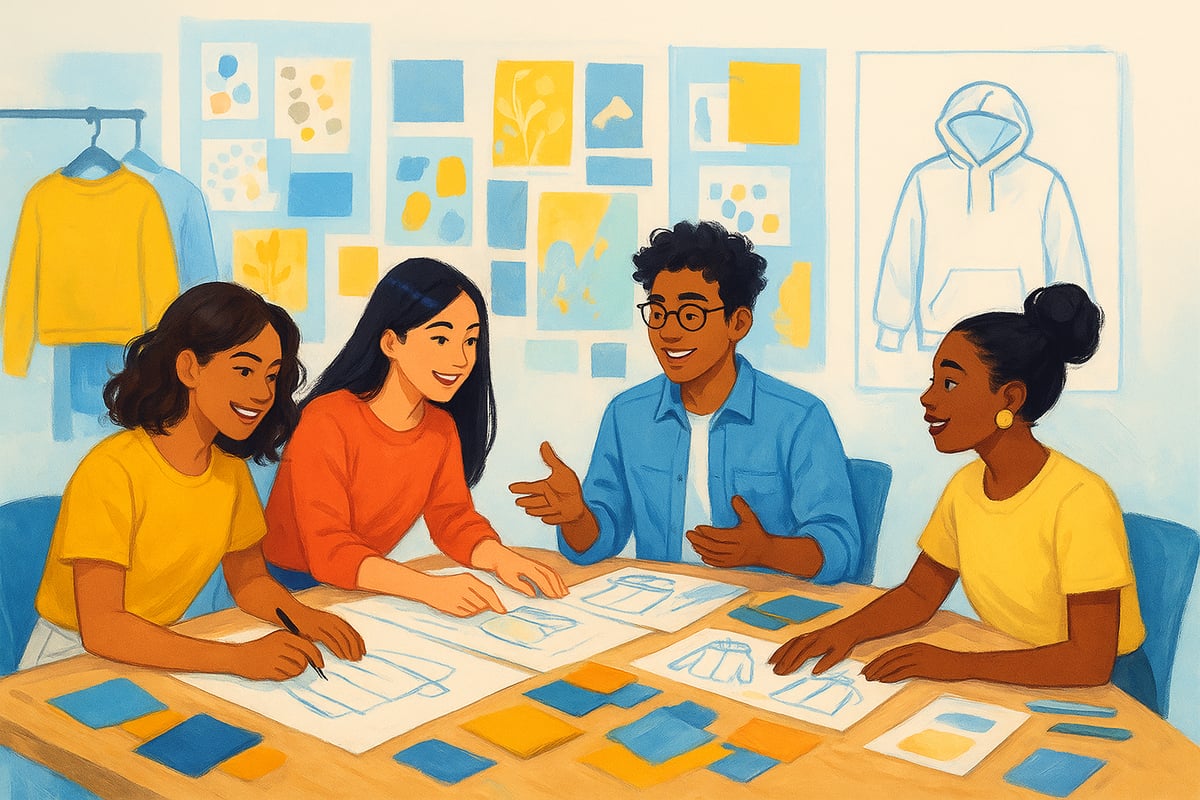
First things first, what does your merchandise clothing brand stand for? Defining your mission, vision, and values will help you stand out in a crowded market. Ask yourself: Who are you trying to reach? What makes your story unique?
Think about your target audience's age, interests, and lifestyle. Are they streetwear lovers, gamers, or passionate about sustainability? Create a brand story that connects emotionally. For example, purpose-driven merchandise clothing brands often outperform generic ones because people want to support something meaningful.
Write down your brand's personality, tone, and style. This will influence everything from your logo to your social posts. Remember, a clear identity makes every decision easier.
Market Research & Validation
Now that you know who you are, it's time to see what's happening in the merchandise clothing scene. Start by analyzing competitors. Who's crushing it, and where are they falling short? Use tools like Google Trends, Instagram Insights, and Reddit to spot what’s trending and what people are talking about.
Surveys can be super helpful. Ask your potential customers what they want from a merchandise clothing brand. Did you know that 42 percent of failed clothing startups blame poor market fit? You don’t want to be part of that stat, so validate your ideas early.
Keep a spreadsheet of your findings. This will guide your product decisions and help you avoid costly mistakes.
Product Line Planning
Let’s talk about what you’ll actually sell. Will your merchandise clothing line focus on basics like tees and hoodies, or will you go bold with hats, jerseys, or even accessories? Decide on your SKUs, choose colorways, and plan sizing carefully.
You might want to use the drop model, releasing limited editions to create buzz, or stick with evergreen collections for steady sales. Take a cue from Supreme, whose regular drops keep fans coming back. Don’t forget to consider branching into accessories merchandising options to expand your collection and reach new customers.
A well-planned product lineup means you’re ready to impress from day one.
Budgeting & Funding
Money talk time. Before you order your first batch, calculate your startup costs. Factor in design, samples, production, marketing, and a buffer for surprises. Most new merchandise clothing brands need between $2,000 and $10,000 to launch.
Explore funding options: self-funding, crowdfunding, or bringing in investors. Make financial projections and figure out your break-even point. This gives you a roadmap and helps you stay on track.
A simple table can help you visualize your costs:
| Startup Expense | Estimated Cost |
|---|---|
| Design & Branding | $500 |
| Samples | $300 |
| Production | $4,000 |
| Marketing | $1,000 |
| Miscellaneous | $700 |
Planning your finances means fewer surprises and a smoother road ahead.
Legal & Business Setup
Last but not least, get your business set up right. Register your merchandise clothing business as an LLC, sole proprietorship, or whatever fits best. Protect your name and logo by filing for a trademark—skipping this step can lead to expensive legal headaches.
Understand your tax responsibilities and any import or export rules if you plan to sell internationally. A lot of brands learn the hard way that missing legal steps can come back to bite them.
Taking care of the boring stuff now means you can focus on growing your merchandise clothing brand later.
Designing Merchandise That Sells in 2026
So, you want your merchandise clothing line to actually fly off the shelves in 2026? The secret sauce comes down to thoughtful design, killer materials, and a true connection with your audience. Let's break down how to create merch people will actually want to wear, share, and rave about.
Creative Design Process
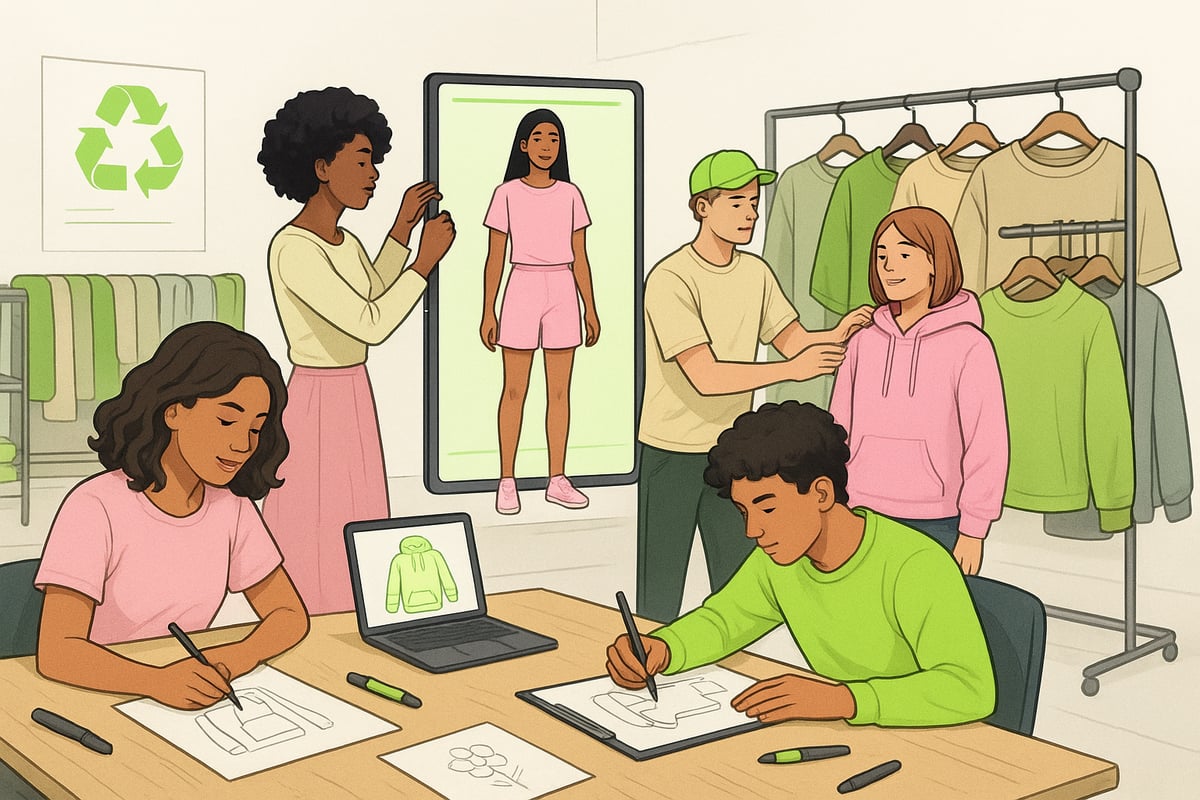
Every successful merchandise clothing brand starts with a spark of inspiration. Begin by building mood boards filled with trending styles, color palettes, and pop culture moments. Dive into what your target fans are loving right now—think viral memes, music icons, or social movements.
Collaboration is key, so work with artists or designers who get your vibe. Use tools like Adobe Illustrator or Procreate to bring your vision to life. Don’t be afraid to ask your community for feedback. The best merchandise clothing designs are those that feel fresh, authentic, and tailored to your specific audience.
Fabric & Material Selection
Shoppers in 2026 are looking for more than just cool designs—they want their merchandise clothing to feel good and do good, too. Choosing the right materials is crucial. Go for options like organic cotton or recycled polyester, which offer comfort and durability without harming the planet.
Partnering with certified suppliers (think OEKO-TEX or GOTS) ensures your gear meets high standards. In fact, 60% of consumers are willing to pay more for sustainable fashion, so eco-friendly choices can boost your brand’s appeal and bottom line. Make sustainability a core part of your merchandise clothing story.
Printing & Decoration Techniques
How your merchandise clothing looks and feels often comes down to the printing method. There are several techniques to consider, each with its own pros and cons:
| Method | Best For | Pros | Cons |
|---|---|---|---|
| Screen Print | Bulk Orders | Durable, vibrant colors | Higher MOQs |
| DTG | Small Batches | Detailed, full-color | Less durable on darks |
| Embroidery | Caps, Hoodies | Premium look and texture | Higher cost |
| Sublimation | All-over Prints | No feel, bright patterns | Limited to synthetics |
Innovative options like water-based inks or glow-in-the-dark prints can set your merchandise clothing apart. Embroidery, especially on hats and hoodies, instantly adds a sense of value and craftsmanship.
Sizing, Fit, and Inclusivity
Nobody wants to buy merchandise clothing that doesn’t fit right. Offer a wide range of sizes—XS to 3XL or more—to make sure everyone feels included. Test your samples on real people with different body types, not just fit models.
The trend toward gender-neutral and adaptive apparel is only growing. By prioritizing inclusive sizing and fits, your merchandise clothing brand can attract a loyal following and boost repeat purchases. Remember, a well-fitting tee or hoodie is way more likely to get worn (and shown off on social media).
Prototyping and Sampling
Before you hit “go” on mass production, order physical samples of your merchandise clothing. This is your chance to check quality, comfort, and fit in real life. Share these samples with trusted fans or micro-influencers for honest feedback.
Use their insights to tweak colors, graphics, or sizing before you launch. Real-world wear testing is gold for spotting issues you might miss on screen. A little extra time spent on prototyping can mean the difference between a forgettable drop and a merchandise clothing collection everyone’s talking about.
Production, Fulfillment, and Quality Control
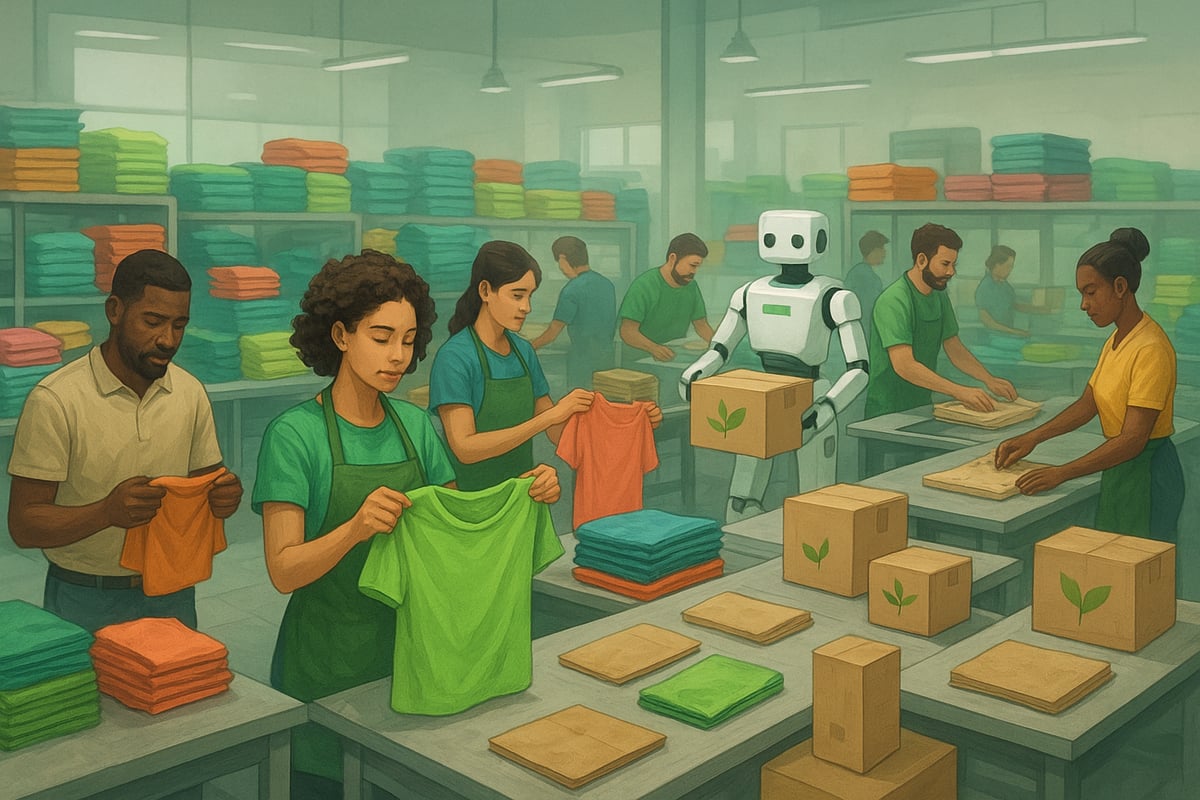
Getting your merchandise clothing business from idea to customer takes more than just great designs. You need a smart production plan, reliable partners, smooth fulfillment, and tight quality control. Let’s break down what it takes to get your gear into happy hands, every time.
Choosing the Right Production Model
When it comes to merchandise clothing, your production model is everything. Should you go print-on-demand or bulk manufacturing? Print-on-demand is perfect if you want to test new ideas, avoid inventory risk, and offer more designs. Bulk manufacturing, on the other hand, usually means better pricing per piece and more control over quality.
A lot of brands use a hybrid model. They’ll print top sellers in bulk for events or drops and use print-on-demand for evergreen designs. Think about your audience, cash flow, and how fast you want to scale your merchandise clothing line.
- Print-on-demand: low risk, slower shipping, flexible designs
- Bulk: lower unit cost, faster fulfillment, higher upfront investment
- Hybrid: best of both worlds for growing brands
Choosing the right model sets the tone for your entire merchandise clothing operation.
Vetting and Partnering with Manufacturers
Finding the right manufacturer is a make-or-break step for any merchandise clothing brand. Start by searching platforms like Alibaba, Maker’s Row, or attending trade shows. Always ask for references, check certifications, and order sample runs before signing any contract.
Negotiate every detail: pricing, timelines, and quality standards. Remember, delays are common, so build in extra time. A strong relationship with your manufacturer helps you avoid headaches and keeps your merchandise clothing quality consistent.
- Request product samples before big orders
- Ask for proof of ethical and sustainable practices
- Set clear expectations in contracts
Vetting manufacturers thoroughly protects your merchandise clothing business from costly mistakes.
Managing Inventory & Fulfillment
Inventory and fulfillment can make or break the customer experience for your merchandise clothing brand. You’ve got options: dropshipping, third-party logistics (3PL), or managing everything yourself.
Dropshipping means less risk and no need for storage, but less control over shipping times. 3PL partners like ShipBob or Easyship help with global fulfillment and let you scale fast. If you go the DIY route, invest in inventory forecasting tools to avoid running out or overstocking.
- Dropshipping: low overhead, less control
- 3PL: scalable, professional, efficient
- Self-fulfillment: more control, higher workload
A streamlined inventory and fulfillment process helps keep your merchandise clothing customers happy and coming back.
Quality Assurance & Returns
Quality control is critical for merchandise clothing brands. Set up checkpoints at every stage: when samples arrive, during mass production, and before shipping to customers. If something goes wrong, act fast to resolve issues and protect your reputation.
Handling returns well is just as important. Create a clear, fair policy and communicate it everywhere. For details on crafting a smooth return process, check out these Returns and exchange policy details.
- Inspect all shipments before sending
- Have a system for handling defects and complaints
- Make returns easy and transparent
A great quality and returns experience turns one-time buyers into loyal fans of your merchandise clothing.
Sustainability in Production
Today’s shoppers expect sustainability from every merchandise clothing brand. Reduce waste by using made-to-order production or upcycled materials. Choose eco-friendly packaging and shipping options whenever possible.
Look for suppliers with certifications like OEKO-TEX or GOTS, and tell your story to customers. Sustainable practices are good for the planet and your brand’s reputation.
- Use recycled or organic fabrics
- Ship with recycled mailers and carbon-neutral partners
- Share your eco-efforts with your audience
Building sustainability into your merchandise clothing business helps you stand out and win customer trust.
Building Your Brand: Marketing, Community, and Sales Channels
Launching your merchandise clothing brand is just the beginning. Building a loyal fanbase, driving sales, and creating a buzz around your products takes a smart, multi-layered approach. Let's break down the essentials of marketing, community, and sales channels that will help your merchandise clothing line stand out in 2026.
Crafting a Winning Marketing Strategy
A killer marketing strategy is the heart of any successful merchandise clothing brand. Start by defining what makes your brand unique. Is it your story, your designs, or your connection to a certain community? Set clear goals, like boosting awareness or increasing sales, so you know what you’re aiming for.
Mix organic marketing, like social media posts and collaborations, with paid ads to reach new eyes. Time your merchandise clothing drops with events or cultural moments for maximum hype. Think about how Supreme or Travis Scott use limited releases to get everyone talking. This approach sets your merchandise clothing apart from the crowd.
Leveraging Social Media & Influencers
Social media is where the magic happens for merchandise clothing brands. Platforms like Instagram, TikTok, and YouTube Shorts let you show off new designs, share behind-the-scenes moments, and build a direct connection with fans. Partner with influencers, both big and small, to reach new audiences and add credibility.
Encourage your customers to post photos in your merchandise clothing using branded hashtags or by running contests. User-generated content is pure gold—it gives you free promotion and builds trust. Did you know 84% of Gen Z discover new brands on social media? Make sure your merchandise clothing is seen where your audience hangs out.
Building an Engaged Community
A thriving community is priceless for merchandise clothing brands. Consider launching private groups on Discord or Facebook just for your superfans. Give these insiders early access to new drops and sneak peeks, making them feel like VIPs.
Open up two-way conversations with polls, Q&As, or feedback sessions. When your fans feel heard, they’re more likely to support your merchandise clothing line and spread the word. Brands like Gymshark and Glossier have turned their communities into loyal ambassadors. If you focus on eco-friendly practices, highlight that—72% of U.S. shoppers consider environmental impact crucial, so sharing your values can really resonate (72% of U.S. shoppers consider environmental impact crucial).
E-commerce Platforms & Sales Channels
Choosing the right platform is a game-changer for merchandise clothing. Shopify, WooCommerce, and Etsy are top picks, each with their own strengths. Shopify is super scalable and powers over 1.7 million businesses globally. Integrate with print-on-demand partners to streamline fulfillment if you’re just starting out.
Don’t forget about in-person sales. Pop-up shops, local events, and wholesale partnerships can expose your merchandise clothing to new audiences. If you’re into streetwear, check out Denim jeans streetwear trends for inspiration on capturing niche markets and keeping your product lineup fresh.
Email Marketing & Customer Retention
Email is far from dead—it’s a secret weapon for merchandise clothing brands. Build segmented email lists so you can send the right message to the right people. Launch with a welcome series, announce product drops, and reward loyal fans with exclusive discounts.
Set up automated flows for abandoned carts and post-purchase follow-ups. Many merchandise clothing brands see over 20% of their revenue coming from email campaigns. Keep your emails fun, personal, and packed with value so subscribers look forward to hearing from you.
Analytics, Feedback, and Iteration
If you want your merchandise clothing brand to grow, you need to track your progress. Monitor key metrics like sales, conversion rates, and customer lifetime value. Use this data to spot what’s working and what needs a tweak.
Collect reviews and testimonials from happy customers, and don’t be shy about asking for honest feedback. Brands that use analytics to guide their strategy grow twice as fast. Keep iterating, stay flexible, and your merchandise clothing business will keep moving forward.
Scaling Up: Growth Strategies for Long-Term Success
Ready to take your merchandise clothing brand to the next level? Once you’ve built a solid foundation, scaling up is all about smart moves, creative thinking, and being ready for whatever comes your way. Let’s break down how you can grow your merchandise clothing business for lasting success.
Expanding Product Lines & Collaborations
When you’re ready to scale, expanding your merchandise clothing line with new products is a game-changer. Think about introducing seasonal drops, limited editions, or fresh accessories that keep your audience excited.
Collaborations are another powerful way to grow. Partner with artists, influencers, or even other brands to create capsule collections. These collab drops often sell out three times faster than regular releases. Here are a few strategies to consider:
- Launch exclusive items with well-known creators
- Co-brand with popular events or causes
- Try themed releases for holidays or pop culture moments
By diversifying your merchandise clothing offerings and teaming up with others, you’ll keep your brand top-of-mind and drive more sales.
International Expansion
Merchandise clothing isn’t just a local opportunity anymore. Going global can open up huge new markets for your brand. Start by researching where your current demand is strongest outside your home country.
Next, consider the logistics. You’ll need to navigate duties, taxes, and international shipping. Using local fulfillment centers can shorten delivery times and improve customer satisfaction. It’s also smart to localize your marketing and customer support, so international customers feel right at home.
With a global mindset, your merchandise clothing brand can connect with fans and customers around the world.
Automating Operations & Outsourcing
As your merchandise clothing business grows, automation becomes your best friend. Invest in inventory management tools to keep track of stock across multiple channels. Automate order processing to save time and reduce errors.
Outsourcing non-core tasks is another smart move. Customer service, design tweaks, or even fulfillment can be handled by trusted partners. This frees up your time to focus on strategy and innovation.
By streamlining operations, you’ll make sure your merchandise clothing brand runs smoothly, even as order volumes climb.
Risk Management & Future-Proofing
Scaling up means facing new risks, but with the right strategies, you can future-proof your merchandise clothing venture. Diversify your suppliers and sales channels so you’re not caught off guard by disruptions.
Stay on top of fashion trends and pivot quickly when needed. Keep an eye on economic shifts and supply chain issues. Sustainability is a growing priority—according to recent research, the U.S. sustainable fashion market reaches $13 billion, showing just how important eco-friendly merchandise clothing is to modern consumers.
Brands with agile operations bounce back 40 percent faster from shocks, so stay flexible, keep learning, and always be ready to adapt.
So, if you’re feeling inspired to dive into the world of merch and streetwear after everything we’ve covered, why not see what top brands are doing right now? Checking out real collections can give you ideas for your own style, branding, and what’s working in 2026. Take a look at La Familia Forever’s latest drops—they’re all about quality, self expression, and that unique edge we talked about. You might just find the spark you need for your own journey or a fresh piece to add to your wardrobe. Ready to explore? Shop Now