


The Ultimate Guide to Limited Brand Success in 2026
In 2026, building a limited brand is more than just keeping things exclusive. It’s about understanding why scarcity matters, telling a story people want to join, and growing in smart, creative ways.
This ultimate guide is here to show you how. We’ll break down proven strategies, fresh trends, and easy-to-follow steps that help any limited brand stand out in today’s fast-moving world.
Ready to dive in? You’ll see what makes limited brands tick, learn how the pros launch and scale, and get practical tips for creating buzz and lasting loyalty. Let’s get started.
The Psychology and Power of Limited Brands
Curious why everyone seems to chase the latest drop or rare collection these days? The secret sauce behind a thriving limited brand isn’t just about making less stuff—it's rooted in how our minds work. Let’s break down why exclusivity is so magnetic, how brands build cult status, the economics behind it all, and the big watch-outs if you’re planning to play the scarcity game.
Understanding Scarcity and Consumer Behavior
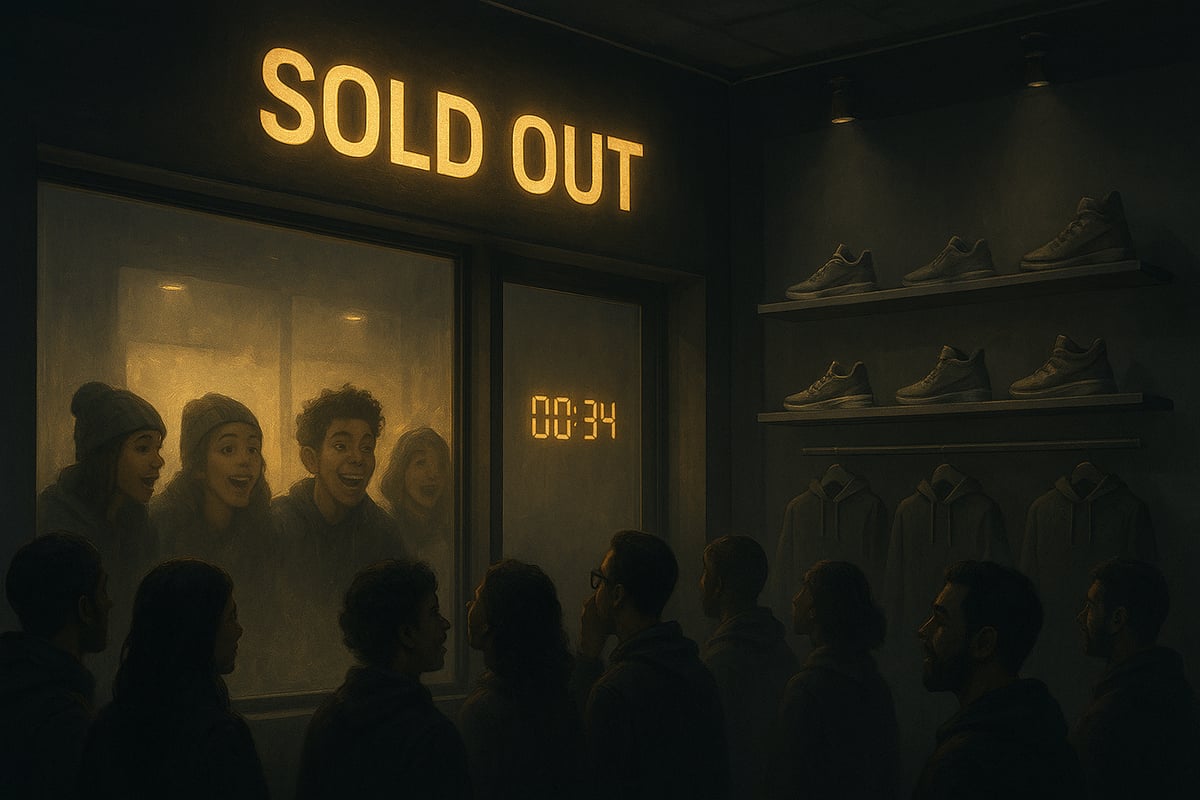
Ever noticed how a limited brand drop can send people into a frenzy? That’s the scarcity effect in action. When something's hard to get, we naturally want it more. FOMO kicks in, making us feel like we’ll miss out if we don’t act fast. This emotional pull is why sneakerheads line up for hours and collectors set alarms for midnight releases.
Scarcity isn’t just hype—it’s proven to boost conversion rates by up to 60%. The anticipation and storytelling around a limited brand create lasting loyalty. Think about iconic fashion collabs or rare trading cards. The trick is knowing the difference between authentic scarcity (like genuinely small batches) and artificial scarcity (manufactured hype). If you want to dig deeper into the science, the Effects of Scarcity on Consumer Behavior study unpacks how psychological ownership and FOMO drive purchases.
Building a Brand Identity Around Exclusivity
A successful limited brand starts with strong core values and a mission that stands out. Craft a story that connects with a specific audience, not the masses. Visual cues—think unique logos, custom packaging, and unexpected design elements—signal rarity from the jump.
Top limited brand players build cult followings by being consistent in their message and look. They make community the heart of their brand, often teaming up with influencers or celebrities to amplify the sense of belonging. When every detail feels intentional, fans turn into brand advocates, eager to share and support each new release.
The Economics of Limited Editions
Why can a limited brand charge more for less? It’s all about price elasticity—scarcity lets you set premium prices because demand surges when supply is tight. Managing that balance is key: too much product, and exclusivity fades; too little, and you leave money on the table.
Data shows limited edition products sell out 80% faster than regular ones. Collaborations add extra hype, often boosting perceived value and sparking secondary market buzz. But keep an eye on production—overdoing it or underestimating demand can backfire, impacting profits and reputation.
Pitfalls and Ethical Considerations
Running a limited brand isn’t all upside. If consumers sniff out artificial scarcity, backlash can spread quickly. Being transparent about how many items are available and why builds trust. It’s also crucial to manage disappointed customers and waitlists with care.
Sustainability is another concern—small runs can mean more waste if not planned right. Legal risks, like misleading ads or unfair competition, are real. Learning from failed launches is just as important as celebrating wins. Protect your reputation by staying authentic, ethical, and always putting your community first.
Step-by-Step Framework for Launching a Limited Brand in 2026
Launching a limited brand in 2026 might sound intimidating, but with the right roadmap, you can turn your vision into a thriving, exclusive business. Let’s break it down into simple, actionable steps so you can build something remarkable from the ground up.
Market Research and Audience Segmentation
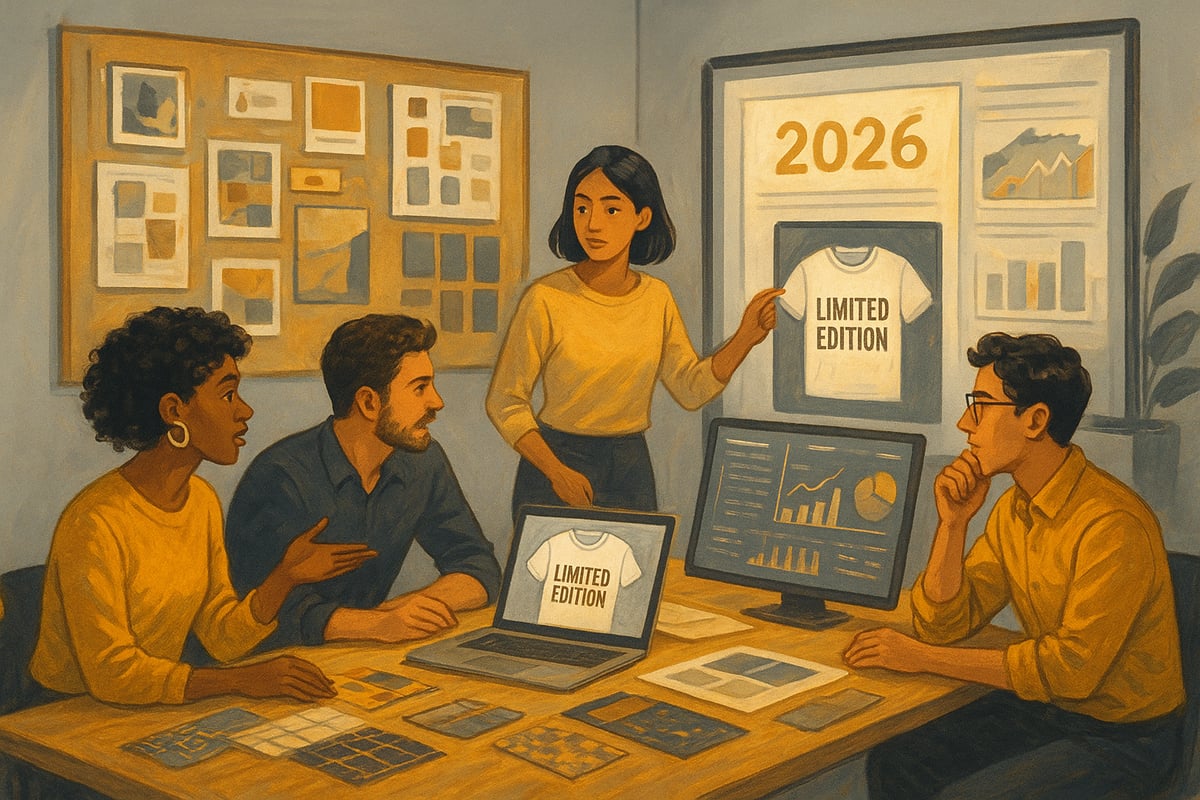
Before you even sketch your first product, you’ve got to know who you’re making it for. Start by spotting those underserved niches and untapped white spaces in the market. Dig into competitor analysis to see what’s working and where gaps exist.
Leverage data analytics and social listening tools to track trends, spot conversations, and identify what your future limited brand fans crave. Build detailed buyer personas, so every decision speaks directly to your core audience. Validate demand early, whether through surveys, polls, or small-batch tests.
Micro-communities are goldmines for early traction. In fact, according to Limited Edition Marketing Statistics 2025, brands that tap into niche communities often see much higher engagement and conversion rates. This research phase sets your limited brand up for a strong start.
Product Development and Sourcing
Now, it’s time to bring your ideas to life. Design products that tell a story and tap into emotion—think about how each piece fits into your limited brand’s narrative. Source high-quality materials and work with partners who share your standards for exclusivity.
Decide on edition sizes and how often you’ll launch new products. Prototyping is your best friend, letting you gather pre-launch feedback and make tweaks before the big reveal. Keep things ethical and sustainable, not just because it’s trendy, but because your limited brand will attract customers who care.
Balancing quality with profitability is key. Use cost analysis to ensure your pricing supports your brand’s premium positioning. Innovative drops—like surprise releases or creative packaging—can make your limited brand stand out even more.
Branding, Positioning, and Storytelling
Your limited brand isn’t just about products, it’s about the story you tell. Craft a brand narrative that resonates with your niche audience. What do you stand for? Why should people care?
Visual identity matters—a cohesive look across your logo, packaging, website, and social channels signals rarity and intent. Messaging needs to be punchy and memorable. Build anticipation with teasers and previews that stoke curiosity.
Position yourself clearly against mass-market competitors. Viral campaigns and clever storytelling can catapult your limited brand into cult status. Consistency across all channels, both digital and physical, cements your identity in the minds of your audience.
Go-to-Market Strategy: Launching with Impact
Ready to launch? Choose your platforms wisely—direct-to-consumer, retail, pop-ups, or online exclusives all offer unique advantages for a limited brand. Timed drops and countdowns build hype and urgency.
Influencer seeding and PR outreach can get your limited brand in front of the right eyes. Waitlists, pre-orders, and VIP access turn anticipation into action. Limited launches often drive three times higher engagement than standard product releases, so take advantage of the momentum.
Make sure logistics are tight and customer expectations are clear. Learn from high-profile launches—what worked, what didn’t—and refine your approach for your own limited brand debut.
Customer Experience and Community Building
A limited brand thrives on community. Create exclusivity with membership or loyalty programs that reward superfans and early adopters. Personalized communication—like handwritten notes or tailored emails—makes every customer feel like an insider.
Encourage user-generated content and brand advocacy by hosting exclusive events, online forums, or creative contests. Gather feedback and actually act on it, showing your audience that their voices matter.
Brands with thriving communities don’t just sell products, they build movements. By putting people at the center, your limited brand becomes more than just a label—it becomes a lifestyle.
Measuring Success and Iterating
Success for a limited brand isn’t just about selling out—it’s about learning and growing with every drop. Track key metrics like sell-through rates, waitlist conversions, and social buzz. Use analytics tools to see what’s working and where there’s room for improvement.
Qualitative feedback is just as important. Listen to your customers, adapt your products and messaging, and keep your finger on the pulse. Benchmark against industry standards and iterate on your process for every new release.
Scaling up is possible without losing your edge. Avoid common pitfalls by staying true to your limited brand values, and always keep exclusivity at the heart of your strategy.
Digital Innovation and Technology for Limited Brands
Digital innovation is completely changing the game for any limited brand aiming to stand out in 2026. From high-tech e-commerce solutions to immersive virtual drops, technology is now the backbone of exclusivity and hype. If you want your limited brand to thrive, embracing these tools and trends is non-negotiable.
Leveraging E-Commerce and DTC Channels
Running a successful limited brand means you need a seamless, mobile-friendly online shop. Think countdown timers, exclusivity tags, and personalized experiences that make every drop feel special. Most shoppers now expect features like digital waitlists or RSVP systems for high-demand releases.
Integrating limited drop mechanics isn’t just about looking cool—it’s about boosting sales and engagement. In fact, 70% of limited brand sales now happen online. Want a real-world example? Check out the Limited Edition Hoodies Collection to see how scarcity and exclusivity are woven right into the shopping experience.
Managing inventory for a limited brand online is also easier, letting you control supply, prevent overselling, and keep the hype alive. Make sure your e-commerce back end is ready for fast sell-outs and high traffic.
Social Media, Influencer, and Community Marketing
Social platforms like Instagram, TikTok, and Discord are perfect playgrounds for a limited brand. Viral moments can be sparked with influencer partnerships, teasers, and even “leaked” sneak peeks before a drop. Micro-influencers and superfans can turn a limited brand from niche to cult favorite, as social-driven drops convert 40% higher than standard posts.
Try running exclusive contests, behind-the-scenes content, or member-only giveaways. It’s about making your community feel like insiders, not just customers. The best limited brand campaigns create buzz that spreads way beyond their own channels.
The Role of NFTs, Blockchain, and Digital Collectibles
NFTs and blockchain tech are reshaping authenticity for every limited brand. With blockchain, you can prove a product’s rarity and give buyers digital ownership of exclusive releases. Limited brand drops using NFTs saw $2B in sales in 2025, with fashion and art brands leading the way.
Digital twins, NFT-based memberships, and virtual collectibles offer new ways to engage fans and add value. If you’re eyeing the future, consider how your limited brand could bridge physical products with digital experiences for loyal customers.
Data-Driven Personalization and AI
Artificial intelligence is making it easier for any limited brand to predict demand, personalize marketing, and optimize inventory. Imagine sending dynamic product suggestions or using chatbots as virtual stylists—AI lets you do just that.
Real-time analytics help you quickly spot trends, adjust drop sizes, and fine-tune messaging. Brands using AI report 25% higher customer retention. Just remember, being smart with data means respecting privacy and using insights to genuinely improve your limited brand experience.
Emerging Tech: AR, VR, and Immersive Experiences
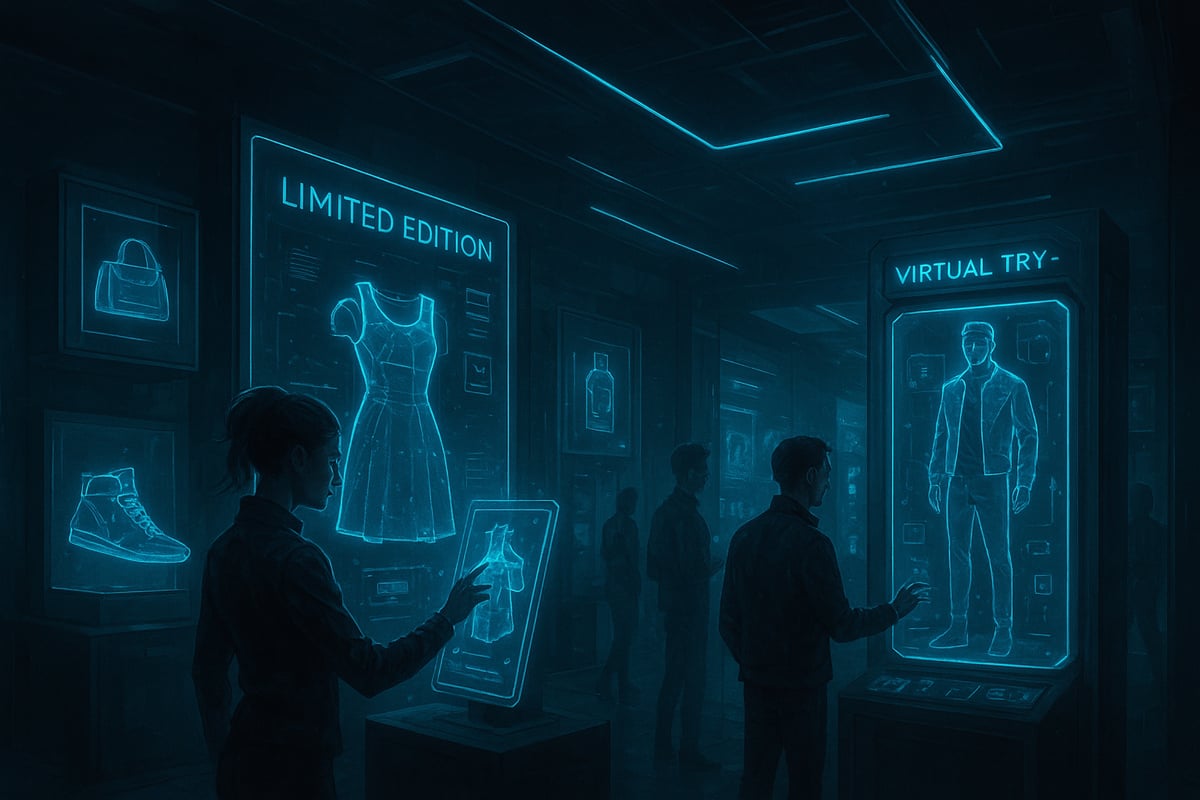
AR and VR are giving limited brand fans new ways to connect with products. Virtual try-ons, 3D showrooms, and VR launch parties make every release feel like a major event. Packaging can even become interactive with AR, telling your brand story right in customers’ hands.
Immersive tech can boost purchase intent by 30%, making it a must for the modern limited brand. Partnering with tech startups or hosting exclusive virtual pop-ups can push your brand to the next level and keep fans coming back for more.
Marketing Strategies for Sustained Limited Brand Growth
In the world of limited brand marketing, playing the long game is all about staying top of mind, sparking excitement, and building loyal fans. Let’s break down the best strategies to fuel lasting growth and keep your limited brand ahead of the pack.
Crafting Urgency and Demand Through Campaigns
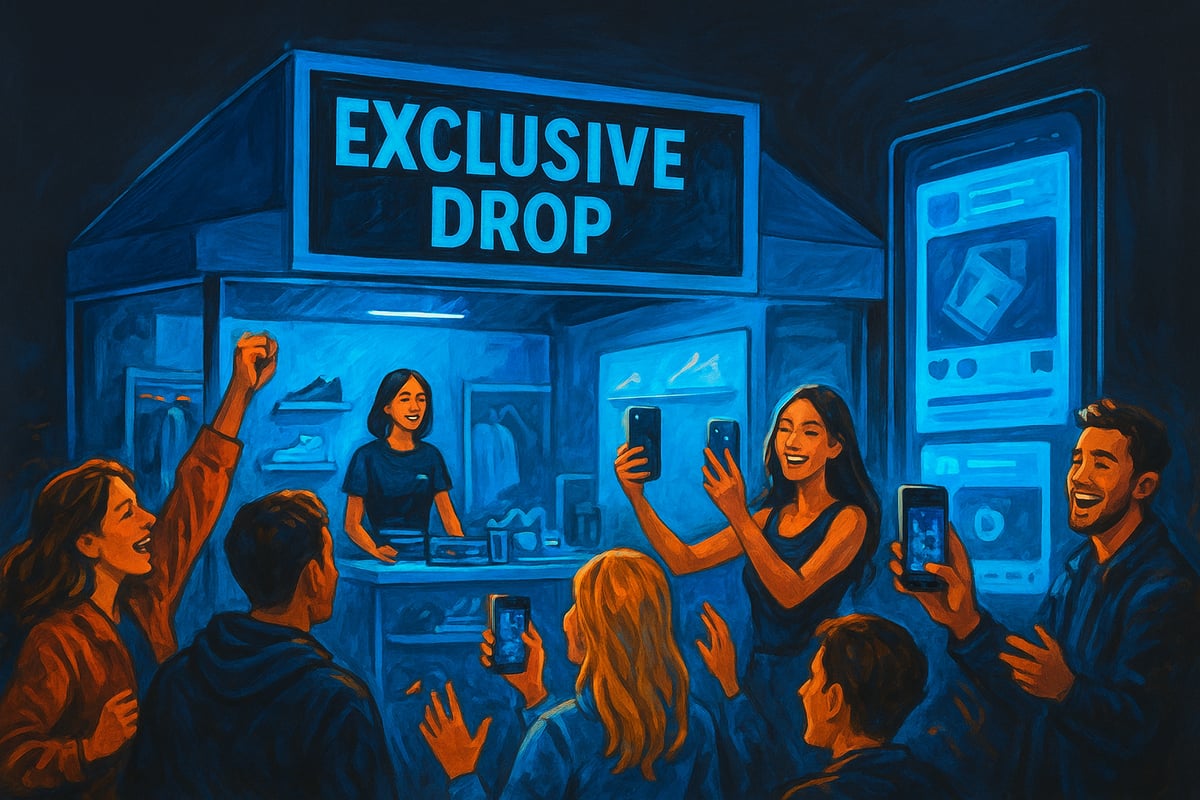
If you want your limited brand to fly off the shelves, you need to master urgency. Use countdown timers, limited-time offers, and surprise drops to get people talking. Email and SMS campaigns with exclusive access can make fans feel like VIPs, while FOMO ads keep the hype alive.
Scarcity messaging works wonders, boosting click-through by 22%. For a real-world look at how this plays out, check out The Scarcity Effect in Tees, which shows how limited runs create a rush of demand. Remember, the key is balancing hype with authenticity so your audience trusts your limited brand.
Strategic Collaborations and Partnerships
Collaborations are like rocket fuel for a limited brand. Choosing the right partner can double your drop’s impact, especially when you blend fashion with tech, art, or music. Celebrity endorsements and influencer capsules are proven to turn heads and sell out fast.
Want proof? See how impactful partnerships can be with Exclusive Collaborations in Fashion, a great example of exclusivity and creative synergy. Always negotiate win-win agreements and keep co-branding risks in check so your limited brand reputation shines.
Lifecycle Marketing: From Launch to Resale
Nailing the entire lifecycle is crucial for a thriving limited brand. Start by teasing new drops with sneak peeks and waitlists. On launch day, ramp up the energy with livestreams, pop-ups, and social buzz. After launch, keep fans engaged with thank-you campaigns, loyalty rewards, and even restocks.
Encourage secondary market activity to boost resale value and lifetime customer worth. Brands that support resale see 35% higher lifetime value. Managing scarcity post-launch keeps your limited brand desirable and protects its cult status.
International Expansion and Localization
Ready to take your limited brand global? First, assess where overseas demand is strongest. Localize your campaigns, tweak your messaging to fit each market, and partner with local influencers or retailers. This helps your brand resonate with new cultures.
International traffic now makes up 45% of limited brand online visits. Managing global logistics and compliance can be tricky, but successful launches abroad are worth the effort. Adapt your exclusivity strategies as you grow, and your limited brand will feel fresh in every region.
Measuring ROI and Scaling Success
Tracking results is the secret sauce for growing your limited brand without losing its magic. Focus on KPIs like conversion rates, repeat purchases, and customer acquisition cost. Use attribution modeling and analytics tools to see what’s working.
Scaling up? Do it smartly. Brands that balance growth with exclusivity see 50% year-over-year gains. Avoid diluting your brand value by keeping drops special, even as you expand. Use dashboards and regular reviews to keep your limited brand strategy sharp.
The Future of Limited Brands: Trends and Predictions for 2026
We're standing at the edge of a new era for the limited brand. The next few years will be all about adapting to shifting consumer values, rapid tech innovation, and the challenge of keeping things exclusive in a world that's more connected than ever. Let’s break down what the future holds for limited brands and how you can stay ahead.
Macro Trends Shaping Limited Brands
Sustainability is quickly becoming a cornerstone for any successful limited brand. Shoppers want to know where their products come from and if the process is ethical. We’re also seeing the rise of “phygital” experiences, where physical and digital worlds collide. Think exclusive digital twins for every physical drop or NFT-backed collectibles.
Community-driven brands are on the rise. Some are even letting fans vote on upcoming releases or share ownership. Data shows that 60% of Gen Z now prefer brands with a clear purpose and sustainable practices. The shift from broad appeal to hyper-niche targeting means your limited brand can focus on a smaller but fiercely loyal audience.
Big players are leading the charge in sustainability and community-building. If you want to see a real-world example, check out these Community-Building Apparel Drops that have built cult followings around exclusivity and shared values.
Consumer Expectations and Experience Innovation
The modern limited brand consumer expects transparency and authenticity at every step. They want to know who made their product, how many exist, and even track its journey from the factory to their front door. Personalization is huge, with more shoppers wanting products tailored just for them.
Seamless experiences are key. Whether you’re shopping online, in-store, or at a pop-up, everything should feel connected. Real-time engagement is a must—think live product drops, instant updates, or even AR-powered try-ons. Data shows that 80% of consumers expect brands to keep pushing the boundaries of customer experience.
Brands that nail these expectations, like those offering personalized packaging or limited digital perks, are redefining what it means to be exclusive. Your limited brand can stand out by meeting these evolving demands head-on.
Evolving Distribution and Retail Models
Distribution is getting a makeover. Direct-to-consumer (DTC) is still king, but retail pop-ups are making a big comeback, offering that in-person thrill you just can’t replicate online. Marketplaces are partnering with limited brands for exclusive drops, while the resale and circular economy is exploding. In fact, the limited brand resale market is on track to double by 2027.
New tech is making in-store experiences more interactive. RFID tags, AR mirrors, and immersive displays are turning shopping into an event. Some brands are even launching limited products exclusively through digital channels or by invitation only.
Successful limited brands are blending online and offline, creating buzz with every new drop. Adapting your distribution strategy to these trends will keep your limited brand relevant and in demand.
Regulatory, Legal, and Ethical Considerations
The limited brand space is facing more regulations, especially around marketing practices and data privacy. Intellectual property protection is a growing concern, with counterfeiters targeting high-demand releases. Brands must also navigate consumer protection laws and advertising standards, especially when promoting scarcity.
Using data responsibly is non-negotiable. Customers are more aware than ever about how their information is used. Staying compliant with international laws is now part of the job.
Understanding the Scarcity and Consumer Decision Journeys can help your limited brand avoid legal pitfalls and build trust. Learning from recent legal challenges, proactive risk management is essential to protect your reputation.
Preparing for Disruption: Agility and Adaptation
Agility is the name of the game for any limited brand hoping to thrive in 2026. Building resilient supply chains, rapid prototyping, and on-demand manufacturing help brands respond to market shifts quickly. Scenario planning for everything from supply delays to sudden demand spikes is crucial.
Data shows that agile brands recover from disruptions 30% faster than their competitors. Investing in innovation and continuous learning will keep your limited brand ahead of the curve.
Brands that bounced back fastest during recent disruptions were those willing to experiment, pivot, and adopt new tech. To future-proof your limited brand, stay flexible, keep learning, and always be ready for the next big change.
If you’re inspired by what makes a limited brand truly stand out—authentic storytelling, exclusive drops, and a real sense of community—you’re in the right place. It’s all about finding pieces that speak to your style and let you express yourself without blending in with the crowd. La Familia Forever gets that, with collections built on quality, detail, and the spirit of the street. If you want to see how these ideas come to life, check out their latest arrivals and find something that feels just for you.
Shop Now